Situated on the banks of the Gomti River, Sultanpur is believed, according to mythology, to have been established by Kush, the son of Lord Shri Ram. It was formerly known as Kushbhawanpur. Currently, the district is a major administrative, educational, and agriculture-based centre in central Uttar Pradesh. Under the One District One Cuisine Programme, Peda, Samosa, Karahi ki Puri aur Sabzi, and Lal Peda have been selected for Sultanpur district.
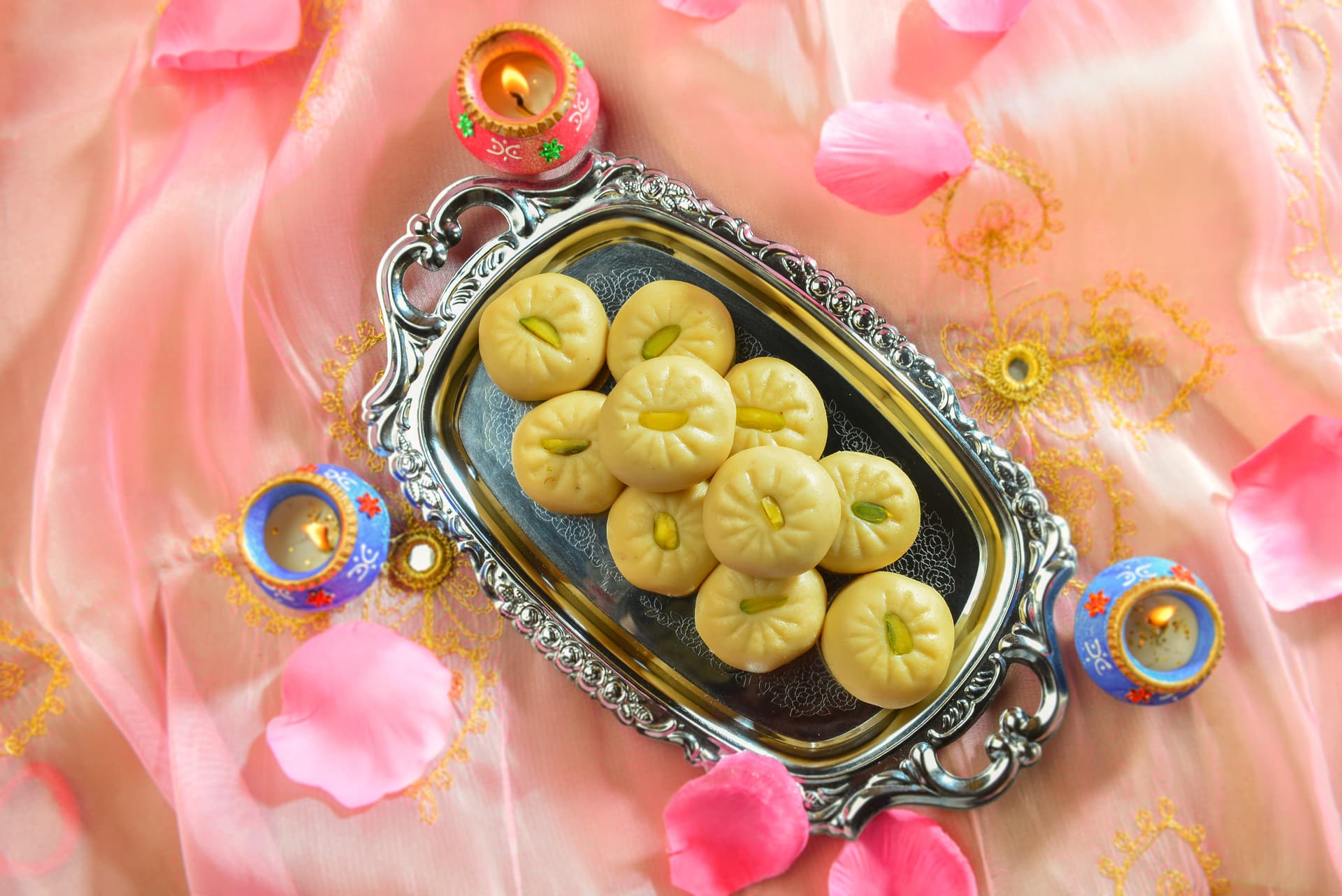
The Peda prepared in Sultanpur city, Kadipur, Lambhua, and Jaisinghpur is made using pure khoa, sugar, and cardamom. Its granular texture and balanced sweetness give it a distinctive identity. It remains in demand throughout the year during festivals, religious functions, and for serving guests.
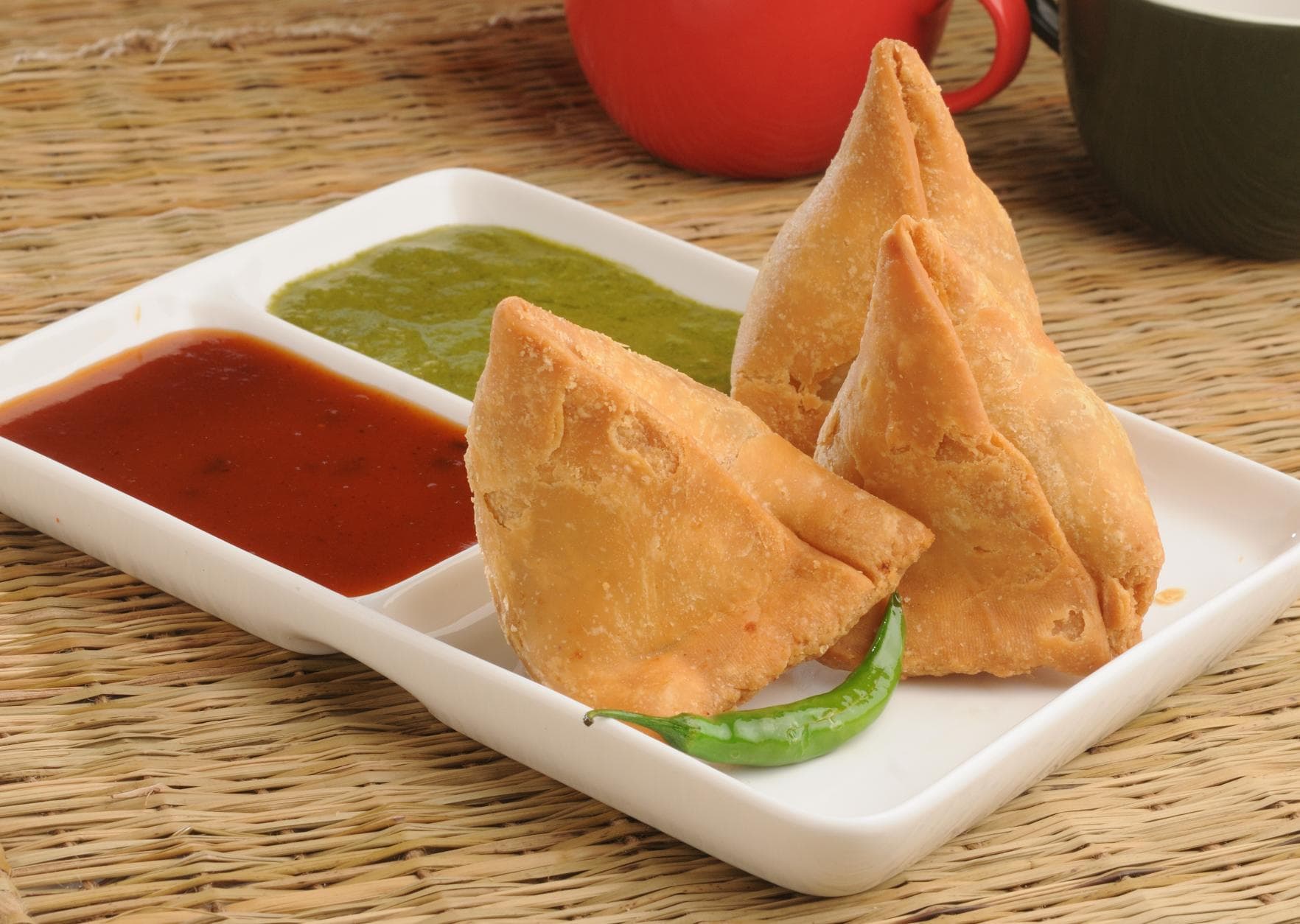
The Samosas of Chowk in Sultanpur city, Lambhua Bazaar, Kadipur, and Dostpur are famous for their spicy potato filling and crispy outer layer. Served with local chutney, these Samosas are particularly popular as morning and evening snacks.
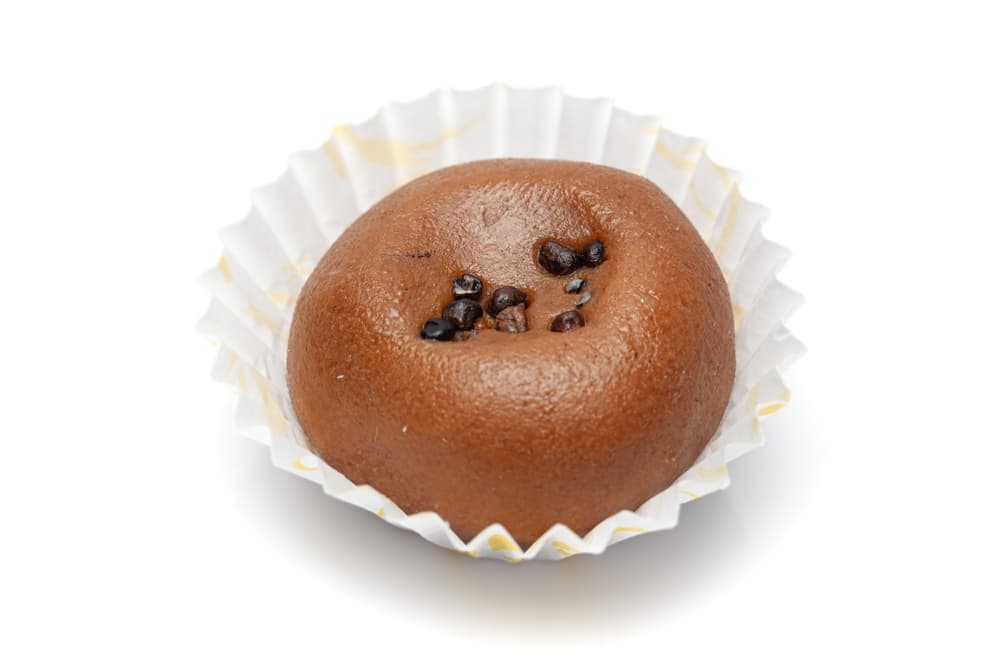
The Lal Peda of Sultanpur city, Lambhua, Kurebhar, and Jaisinghpur is prepared by roasting khoa for an extended period. Its deep brownish-red colour, rich flavour, and distinctive aroma differentiate it from ordinary Peda. It is a prominent product of the local sweet-making tradition.
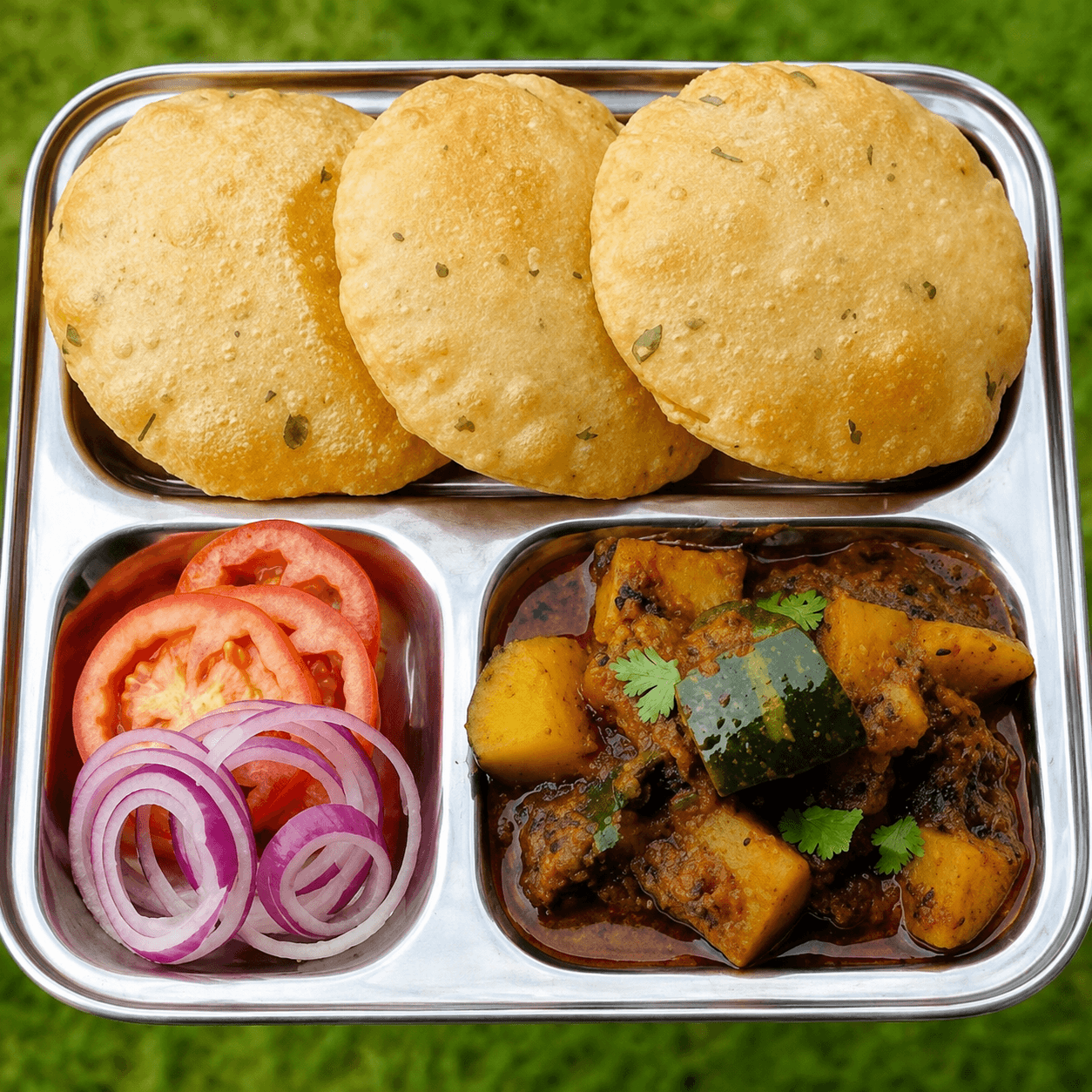
Karahi ki Puri and Kohda ki Sabzi are traditional dishes in Kadipur, Akhand Nagar, Jaisinghpur, and Baldirai. During large community feasts or Bhandaras, Puris prepared in a Karahi are served with a spicy pumpkin preparation locally known as Kohda ki Sabzi. The dish holds special significance at fairs and religious events.