Named after Siddhartha, the childhood name of Lord Buddha, the district’s Kapilvastu region is rich in historical heritage. In the agricultural sector, the district is renowned for its highly aromatic and nutritious Kalanamak Rice, which has received a Geographical Indication tag from the Government of India. Under the One District One Cuisine Programme, Khoya Aadharit Mithaiyan, Makhana Kala Namak, and Ram Katori have been selected for Siddharthnagar district.
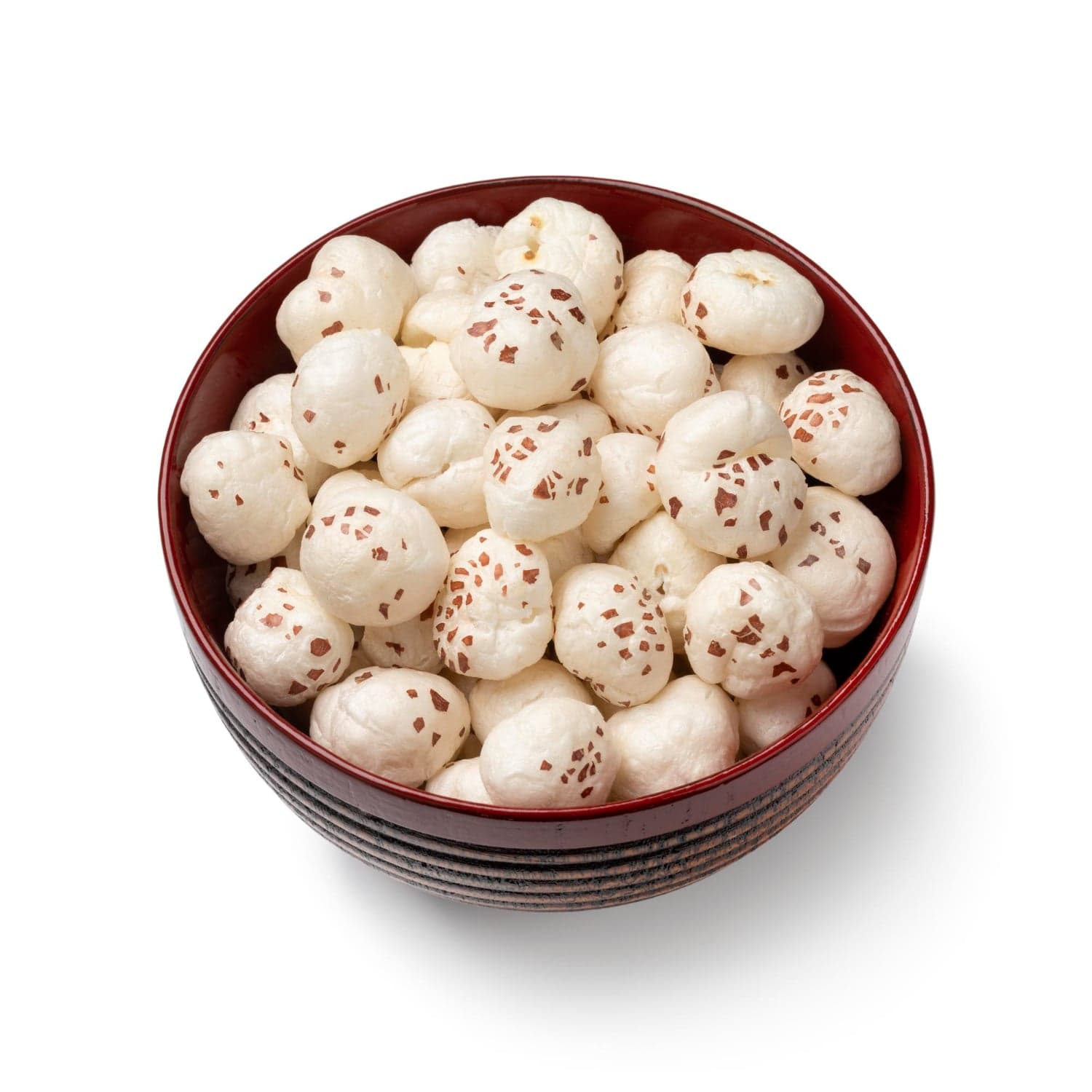
Siddharth Nagar’s Makhana is a nutritious crop known for its light, crunchy texture and delicate flavour. The seeds are carefully harvested, processed, and roasted to produce the familiar puffed makhana, which is enjoyed as a snack and used in a variety of sweet and savoury preparations. Its cultivation adds a distinctive agricultural produce to the food landscape of Siddharth Nagar.
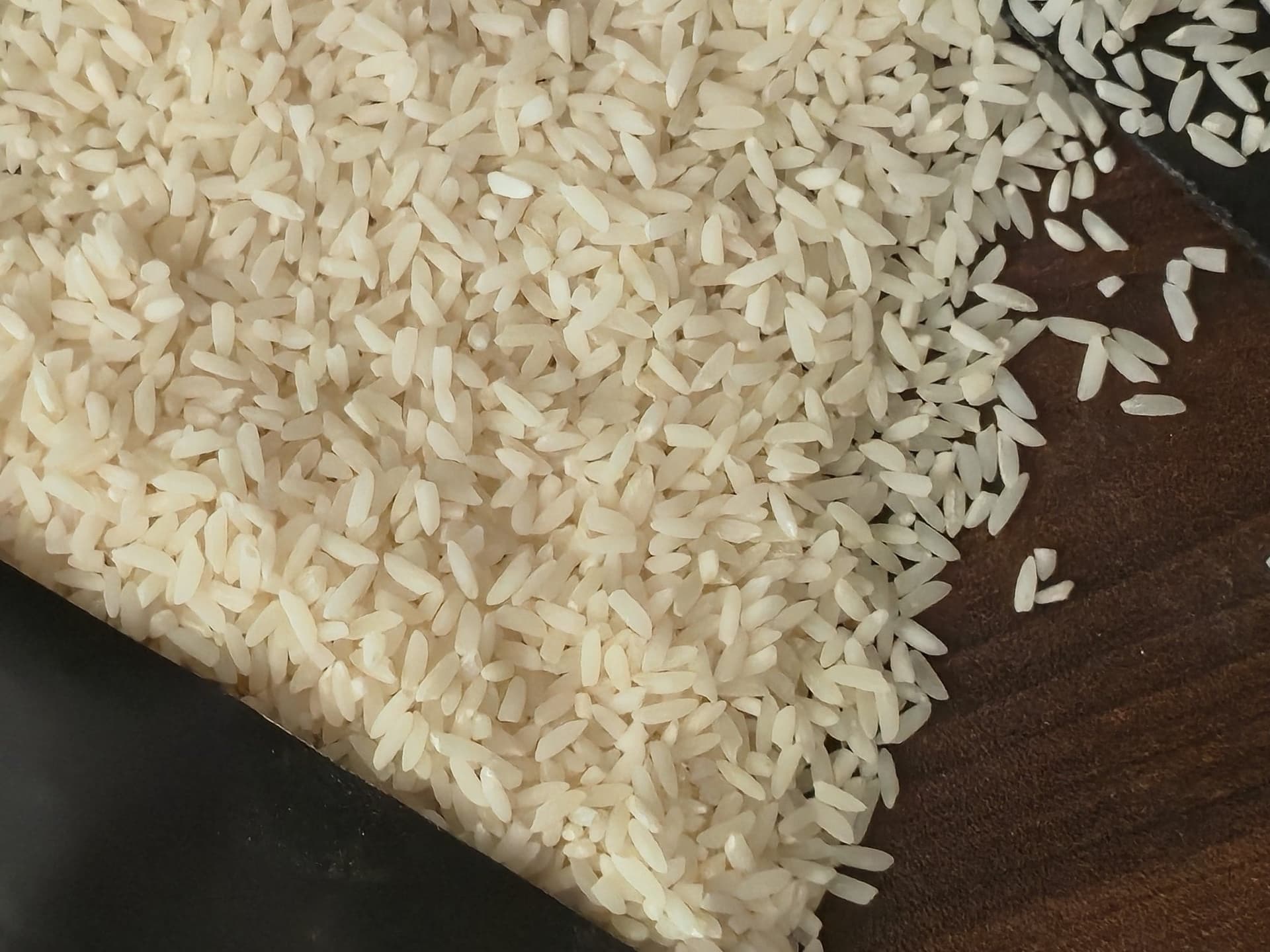
Kala Namak Rice has been cultivated around Siddharthnagar and ancient Kapilvastu since the Buddhist period, earning it the name “Buddha Rice.” According to local tradition, Gautama Buddha gifted its grains to the people and said their distinctive aroma would remind them of him. Recognised with a GI tag in 2012, this black-husked rice is celebrated for its exceptional fragrance, soft texture, and enduring historical legacy.
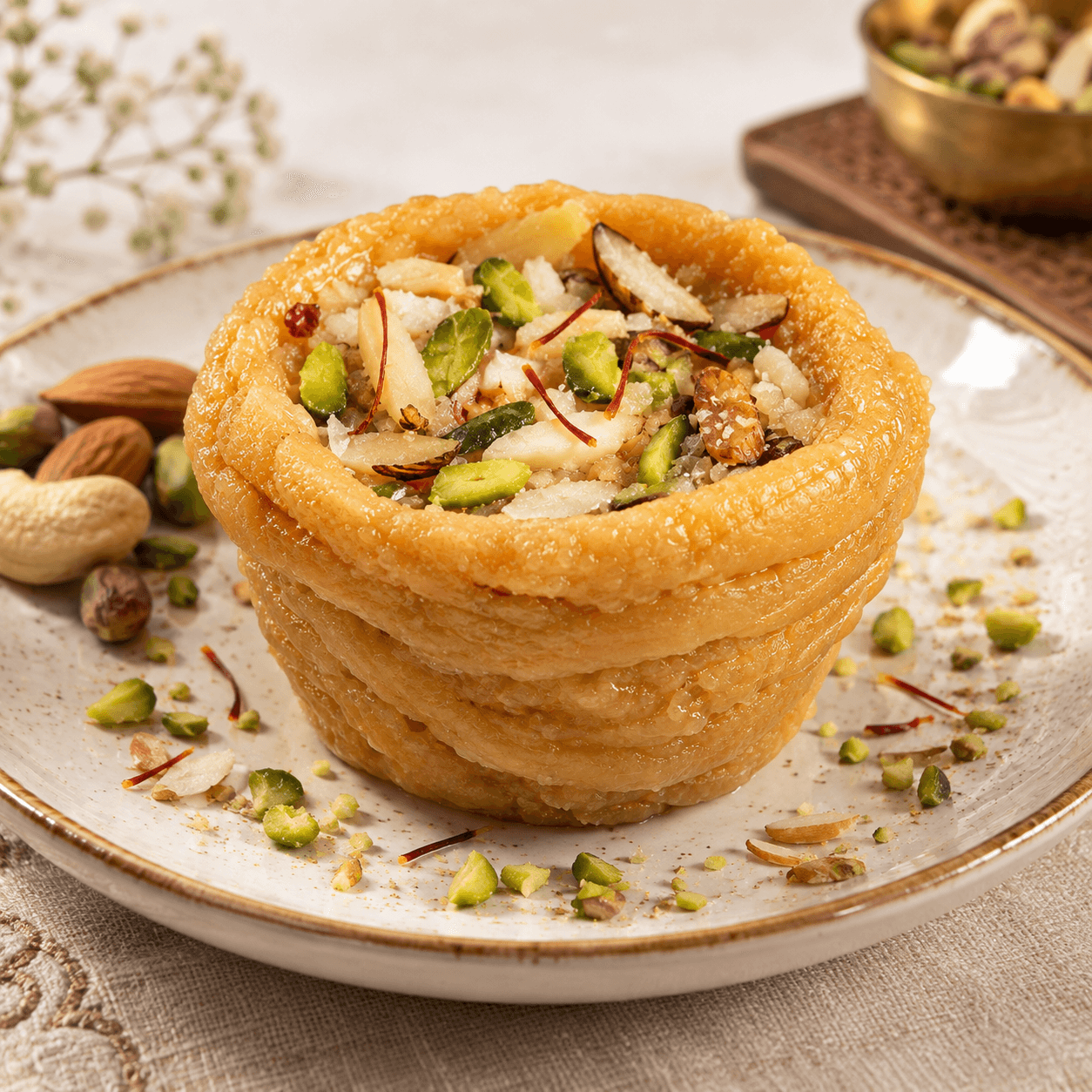
Ram Katori is a traditional khoa-based sweet of Siddharthnagar available at sweet shops in Naugarh, Itwa, Shohratgarh, and Bansi. Prepared in the shape of a small bowl, this sweet is enriched with the flavours of khoa, dry fruits, and cardamom and is particularly enjoyed on special occasions.
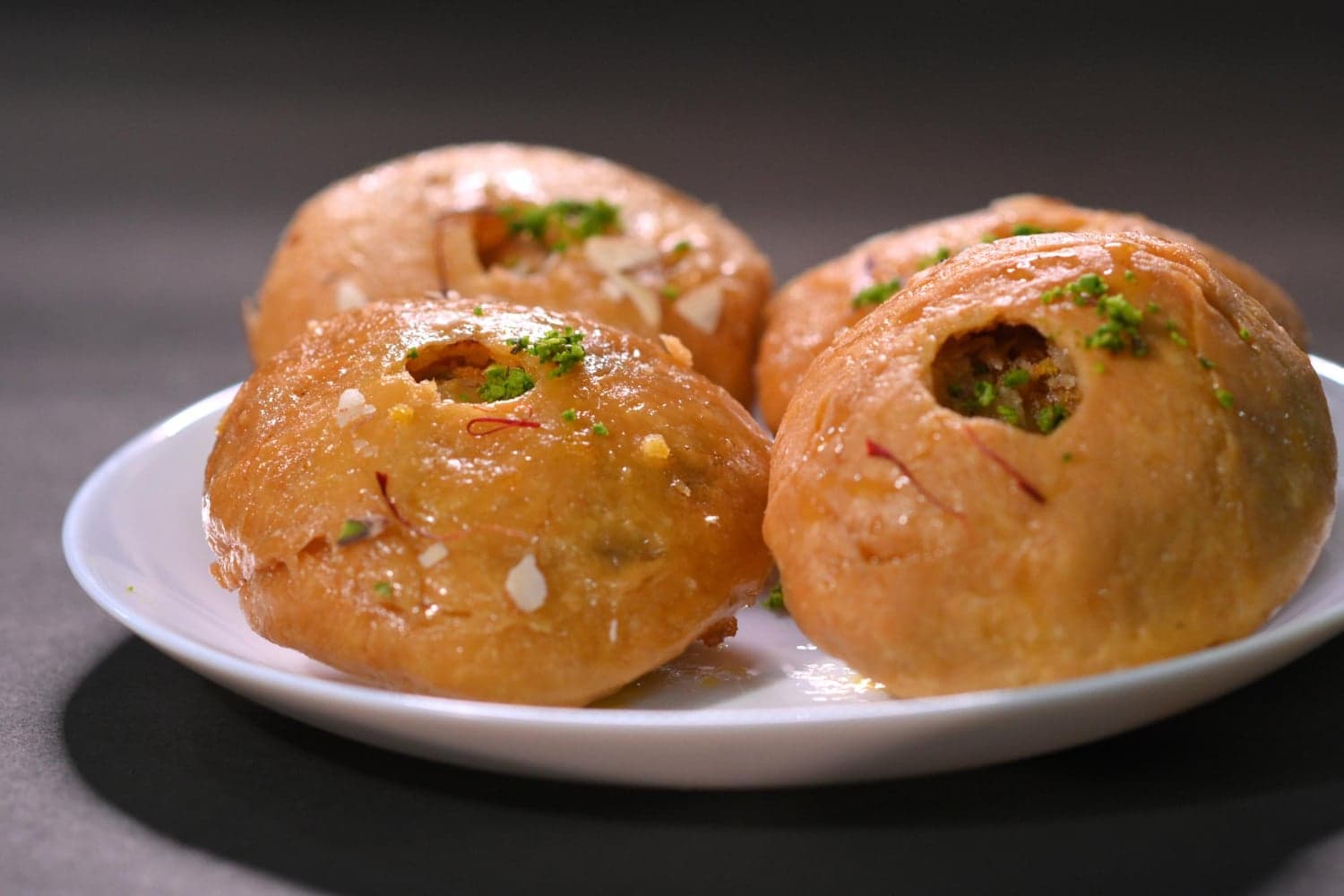
Siddharthnagar’s Ram Kachori is a signature khoya-based sweet known for its distinctive combination of a crisp exterior and a rich, melt-in-the-mouth filling. Its base is a small, edible cup or katori made from refined flour (maida) and clarified butter (desi ghee), which is deep-fried until golden and crunchy. This unique preparation and indulgent taste make Ram Kachori a cherished sweet of Siddharthnagar.