Shahjahanpur is an important agricultural and industrial district of Uttar Pradesh, particularly known for sugarcane production, sugar mills, and agriculture-based industries. The Ordnance Clothing Factory and the thermal power project located in the Rosa area are important from an industrial perspective. Shahjahanpur’s climate is considered suitable for the cultivation of paddy, wheat, potatoes, and oilseed crops. Wood, furniture, pulse-processing, and small-scale food industries are also developing in the district. Freedom fighter Ram Prasad Bismil was associated with Shahjahanpur, giving the district historical significance. From a religious perspective, the Garra River bank and local temples strengthen the district’s cultural identity. Under the One District One Cuisine Programme, Khurchan, Samosa, Lauj, and Gur and Gur Products have been selected for Shahjahanpur district.
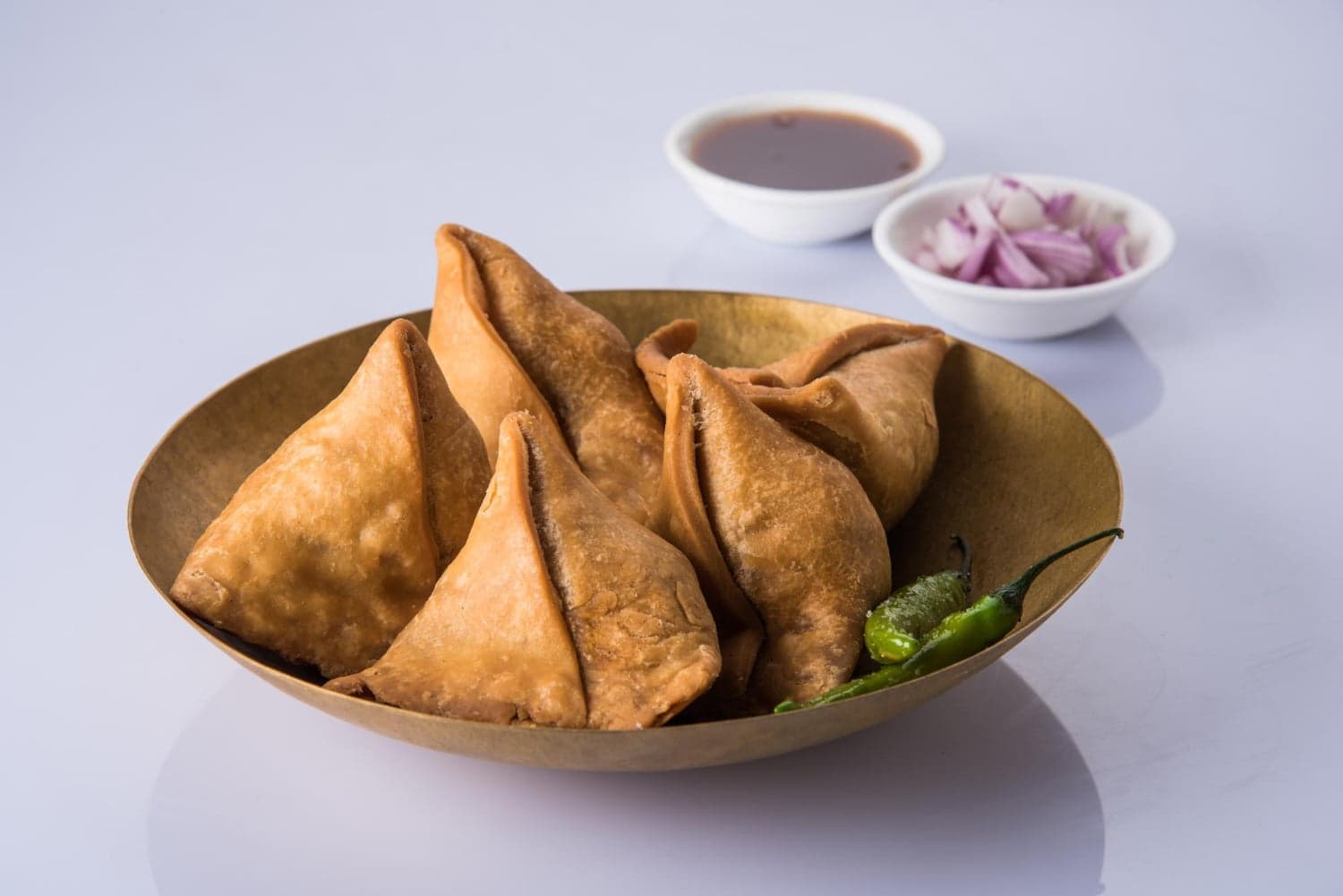
Shahjahanpur’s Samosa is famous for its taste and long-standing tradition. Originating during the Mughal period, it gradually became one of the city’s most popular street foods. Samosas prepared with traditional spices and cooked slowly over a stove attract people with their distinctive flavour. More than 4,500 people are employed across over 400 units in Shahjahanpur, Tilhar, Khudaganj, Jalalabad, Powayan, Katra, Mirzapur, Banda, Shahjahanpur Sadar, Nigohi, Sindhauli, and other areas.
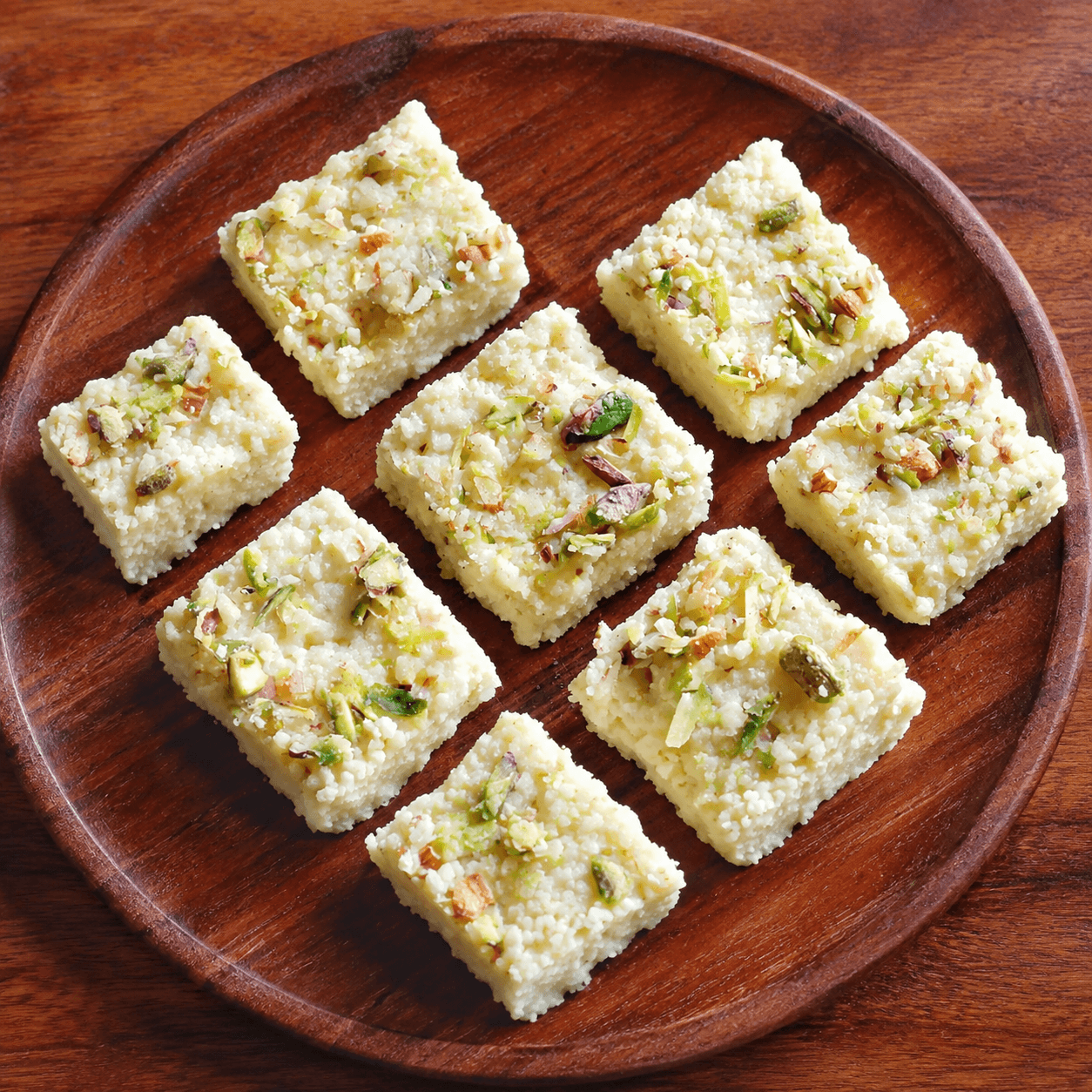
Laung Barfi traces its roots to the royal kitchens of Shahjahanpur’s Nawabi era, where cooks combined the richness of solidified milk with the warm aroma of cloves. Slowly roasted solidified milk, sugar, ghee, and cloves, give this sweet its distinctive grainy texture and spicy flavour. This crafted balance of sweetness and spice has made Laung Barfi a cherished part of Shahjahanpur’s culinary heritage.
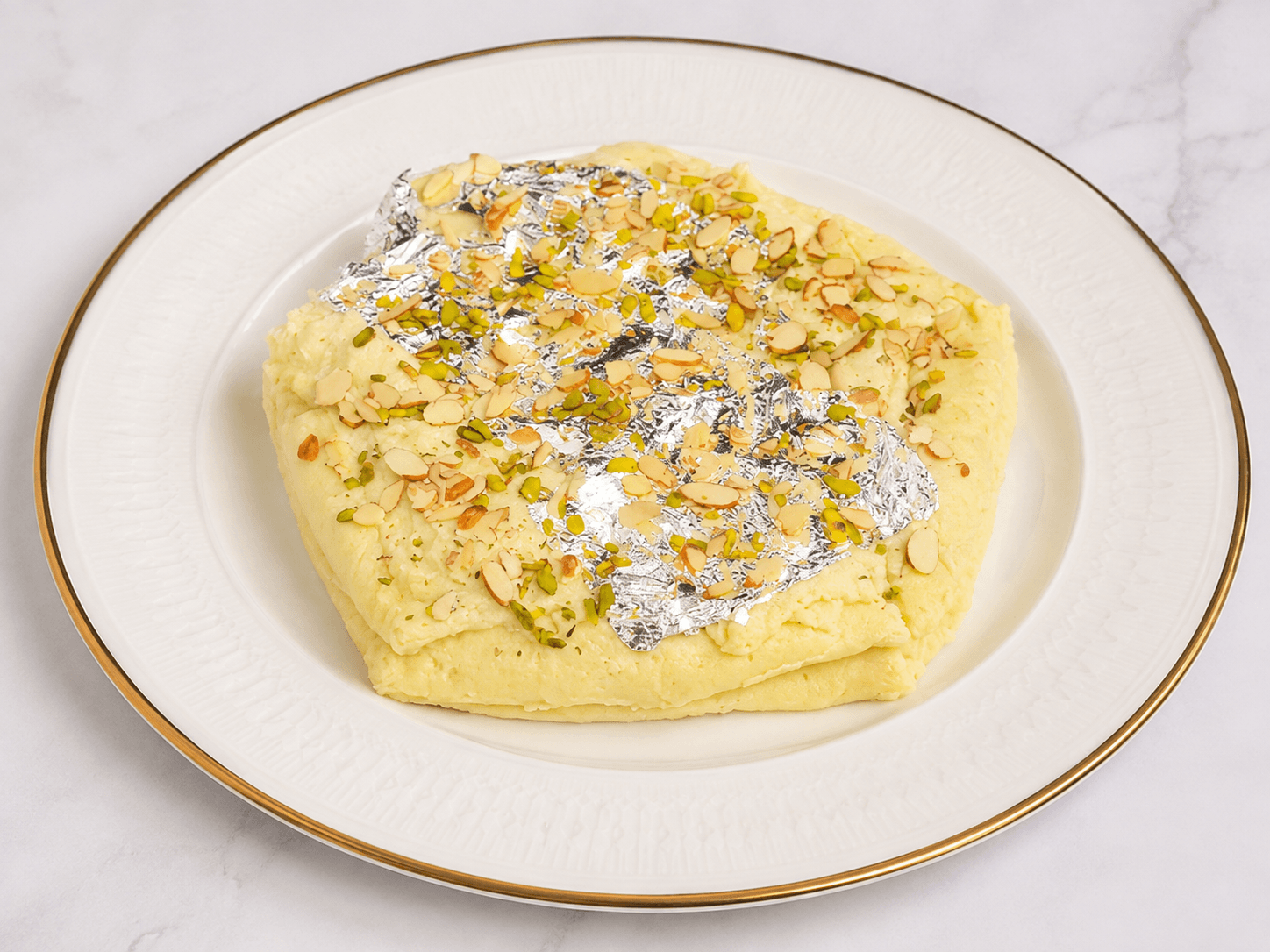
The Khurchan prepared in Shahjahanpur city is not only distinctive in taste but is also deeply connected with the local culture, traditions, and economy. It is prepared by simmering milk over a low flame and collecting it layer by layer. Brown sugar is sprinkled between the layers to add sweetness. It is in particularly high demand during festivals. More than 4,000 people are employed across over 300 units engaged in this industry.
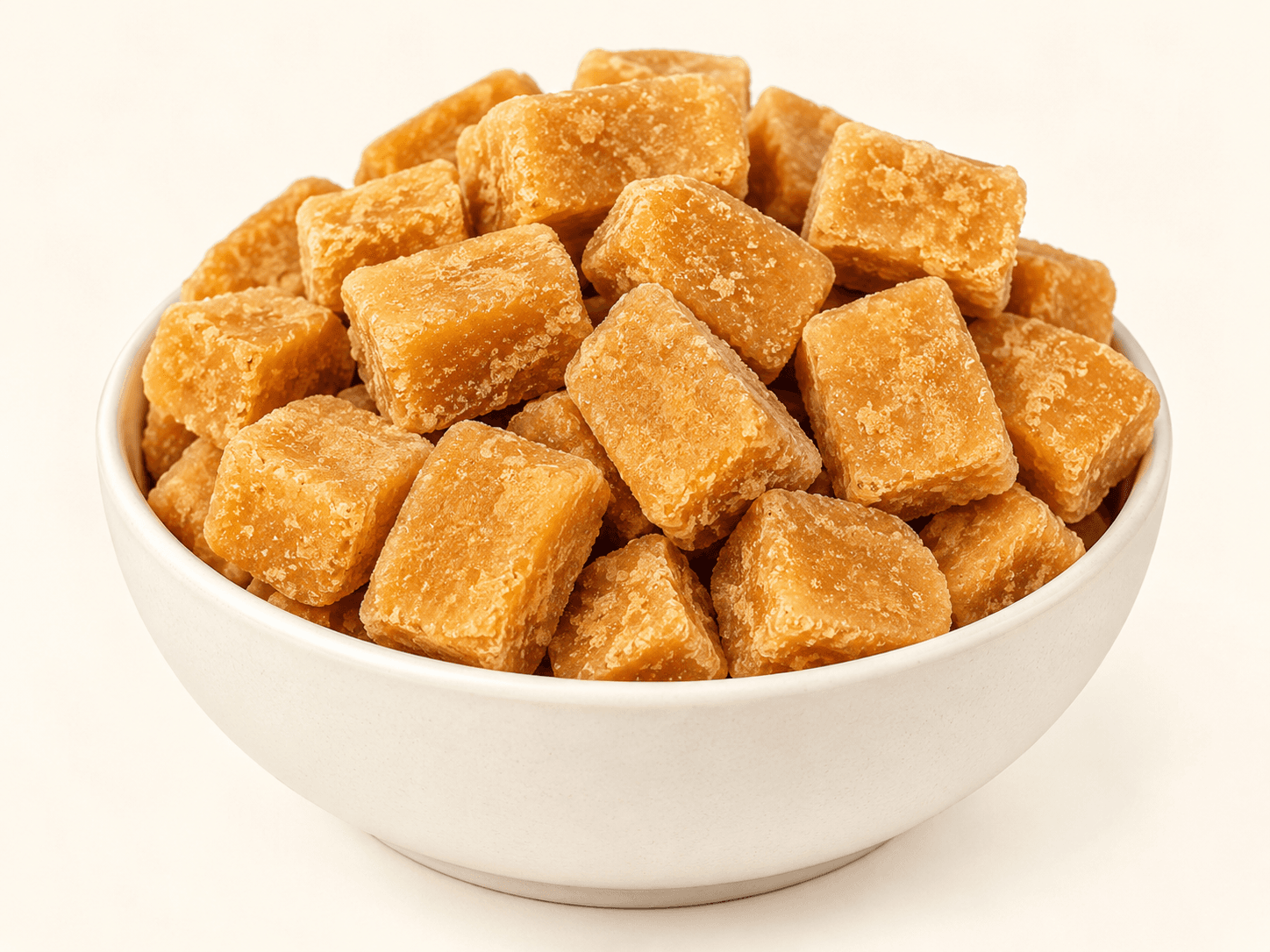
The district’s Gur and Gur-based products are highly popular for their taste, traditional preparation methods, and soft texture. These products are prepared using sugarcane juice with ingredients such as milk or khoa, peanuts, dry fruits—including cashews and almonds—Desi Ghee, fennel seeds, and other ingredients, which give them a distinctive taste. More than 6,000 people are employed across over 500 units engaged in this industry.