Pilibhit is a north-eastern district in the Rohilkhand region of Uttar Pradesh, situated near the Nepal border and the Shivalik Hills of the Himalayas. The district is famous as the origin of the Gomti River and is regarded as one of the most densely forested regions of northern India. The Pilibhit Tiger Reserve, known for tiger conservation, is a major attraction. Pilibhit is also called“Bansuri Nagari” — the City of Flutes. The district’s economy is primarily agriculture-based, with sugarcane being its main crop. In addition to paper, rice, and flour mills, cottage industries such as Zardozi work and candle-making are also prominent. Under the One District One Cuisine Programme, Jalebi, Khoya Mithai, Lassi, and Lauj have been selected for Pilibhit district.
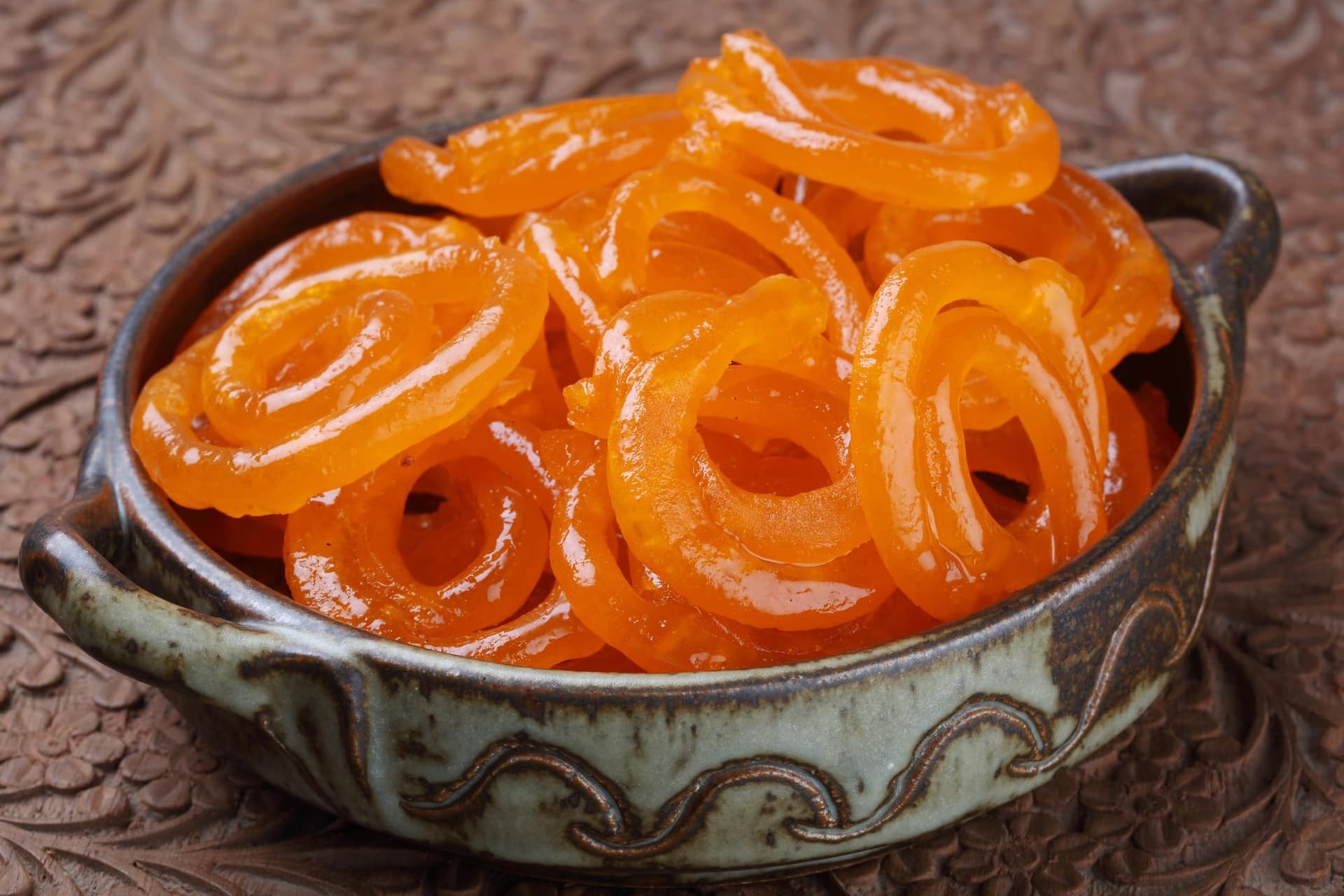
Pilibhit’s Jalebi is traditionally fried in Desi Ghee. Khoa is primarily used instead of refined flour, giving it a dense, soft, and juicy texture. These Jalebis are crispy on the outside and exceptionally soft and juicy on the inside. The taste of Mawa Jalebi closely resembles that of Gulab Jamun. More than 300 people are employed across over 100 units engaged in this industry.
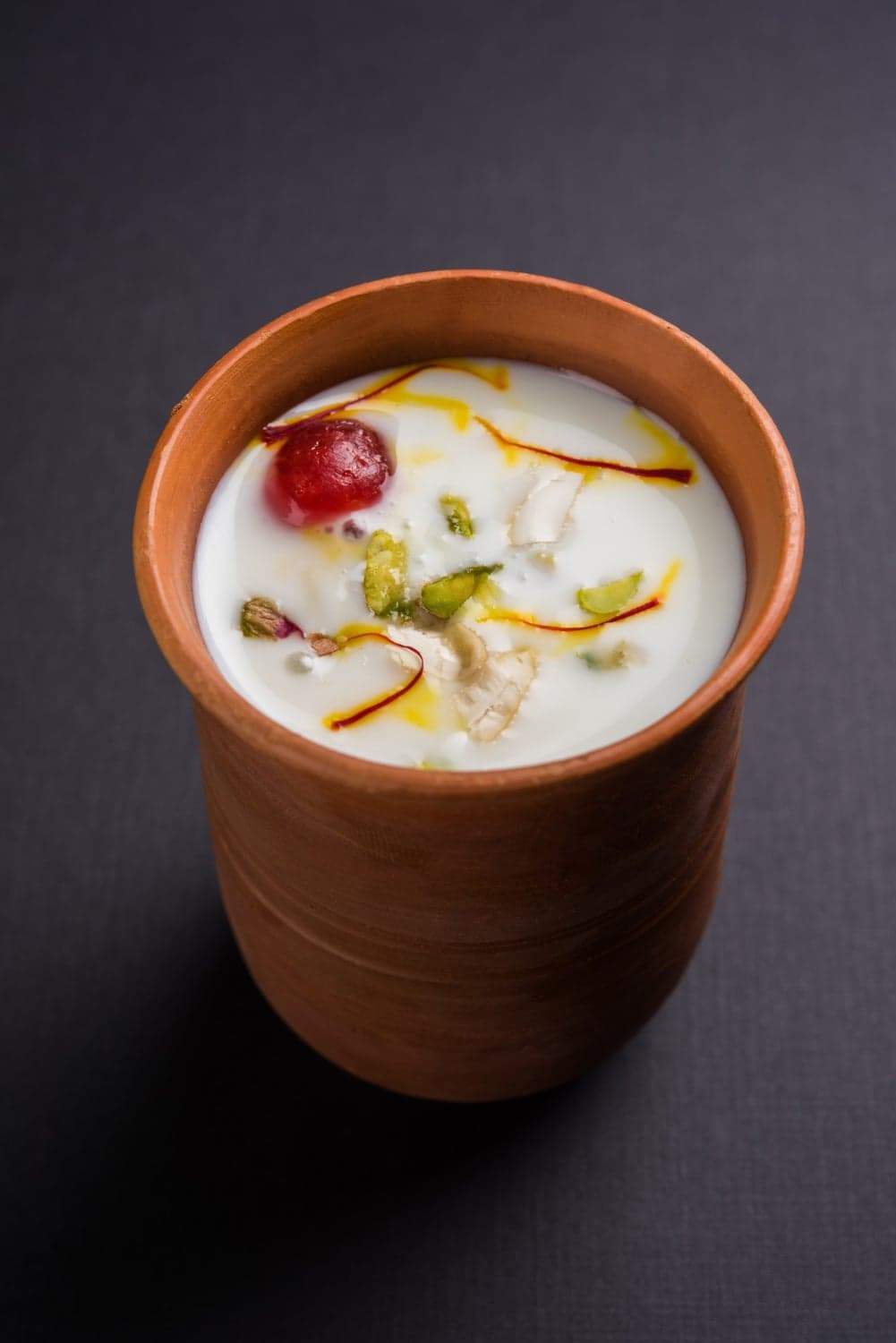
Different varieties of Lassi are highly popular in Pilibhit, including: Special Dahi Lassi: Thick and creamy curd is prepared by churning it traditionally instead of using an ordinary mixer. Khoya or Mawa Lassi: Specially prepared khoa is added to enhance the flavour and give the beverage a thicker consistency. Sugar and Dry-Fruit Lassi: Sugar is added according to taste, and the Lassi is served with chopped dry fruits on top. More than 250 people are employed across over 80 units engaged in this industry.
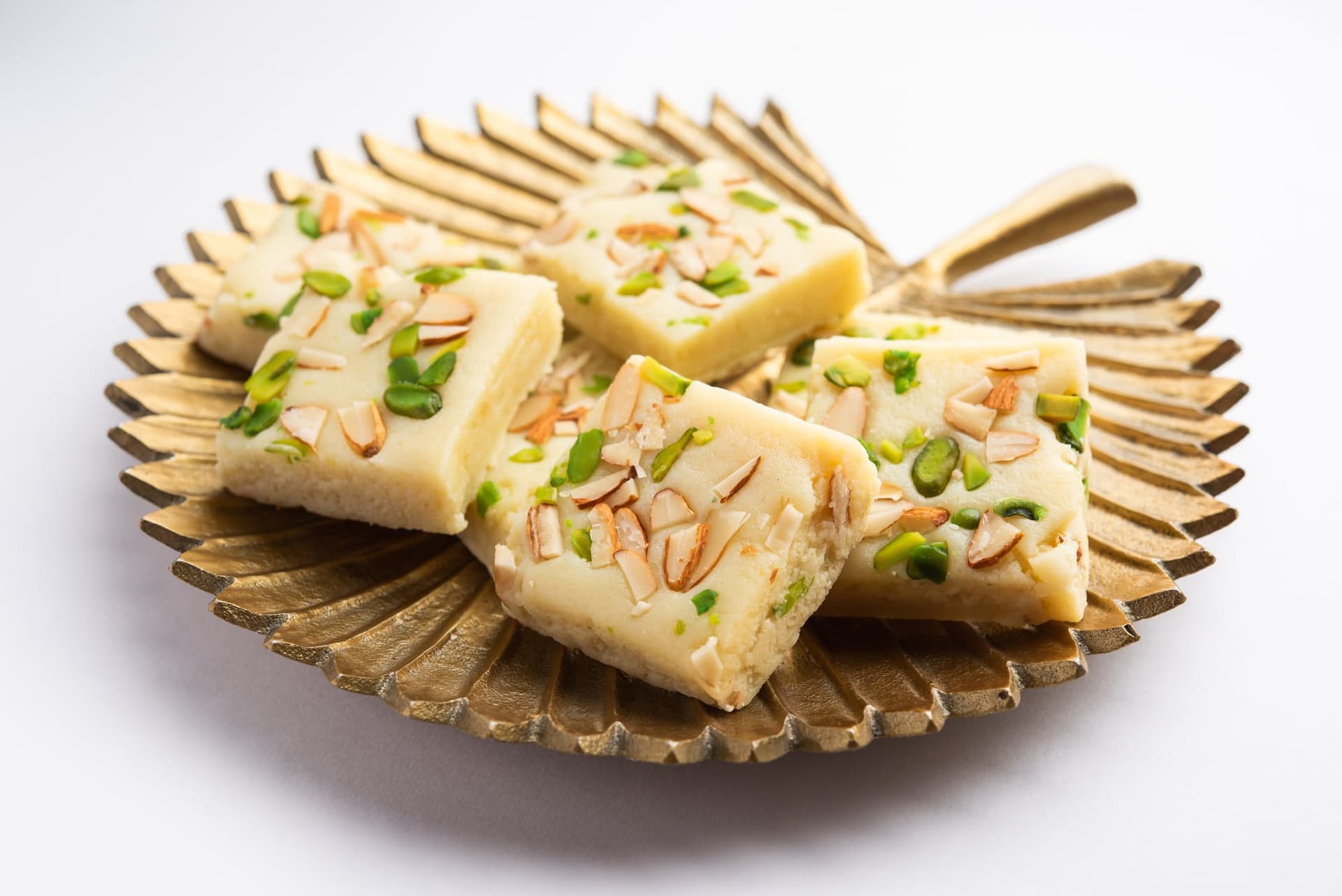
Popular khoa-based sweets in Pilibhit include Bengali Sandesh, Lauj, Sohan Halwa, khoa-based Gulab Jamun, Barfi, and Mawa Laddu. Known for their distinctive taste and texture, these sweets are prepared using milk, paneer, sugar, ghee, cardamom, saffron, and dry fruits. More than 500 people are employed across over 150 units engaged in this industry.
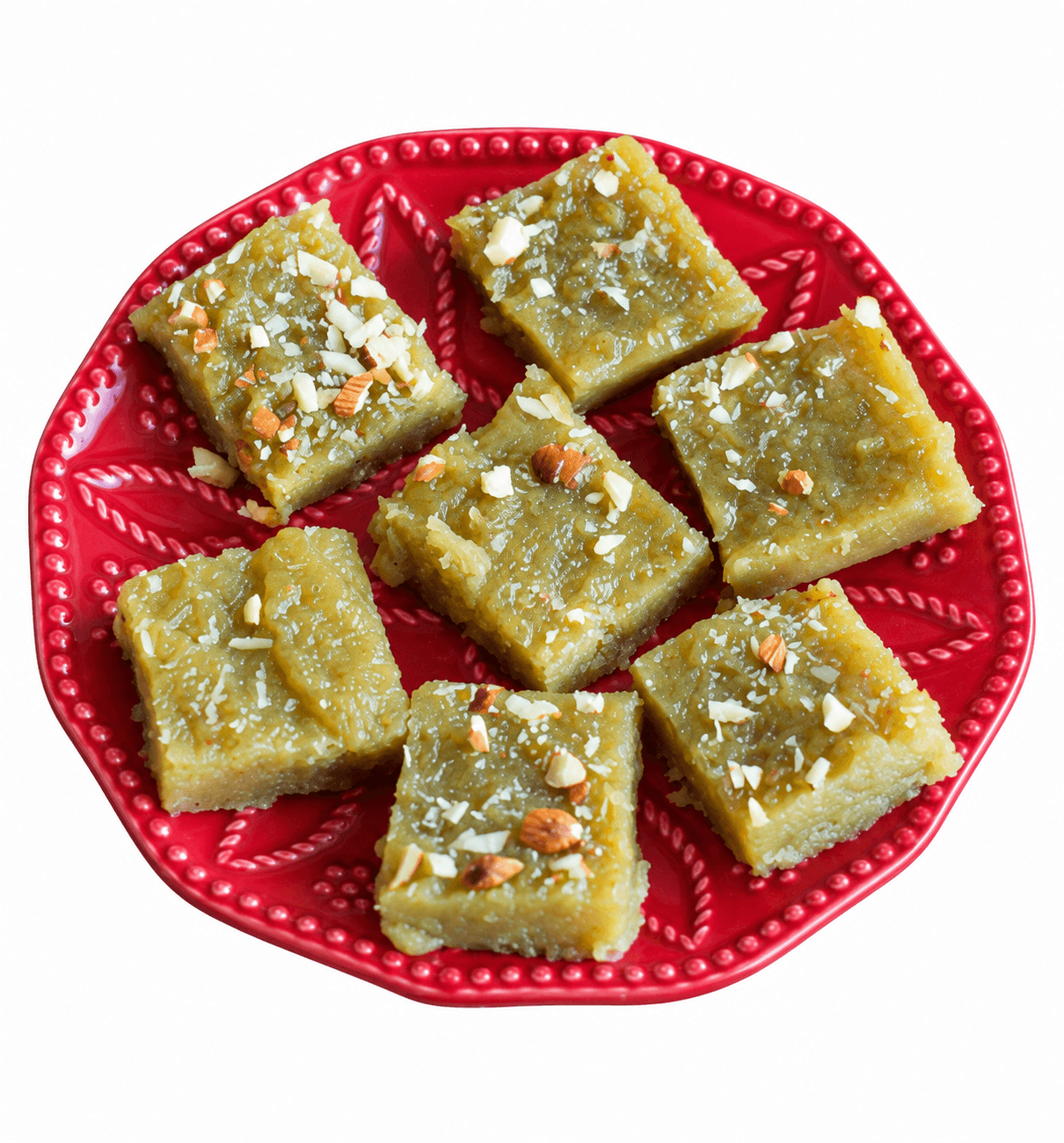
Pilibhit’s local sweet-making tradition transforms the bottle gourd into a rich and flavourful traditional sweet. Slow-cooking the bottle gourd gives it a dense, moist, and subtly fibrous texture, while the creamy richness of reduced khoya or rabri and pure desi ghee adds depth and balance to its flavour. It is especially popular during festivals and special winter occasions. This traditional method of transforming a simple agricultural product like bottle gourd into a delicious sweet reflects the distinctive culinary culture of Pilibhit.