Lucknow, known as the City of Nawabs, is the capital of Uttar Pradesh. The city is renowned worldwide for its Tehzeeb, etiquette, poetry, music, and cuisine. Situated on the banks of the Gomti River, Lucknow is also known as Shiraz-e-Hind and the Golden City of the East. The Bara Imambara is famous for its Bhool Bhulaiya and its massive domed hall constructed without supporting beams. Lucknow is an important centre of urban development, education, commerce, aerospace, pharmaceuticals, and culture and ranks among India’s rapidly developing metropolitan cities. Under the One District One Cuisine Programme, Rewari, Aam Utpad, Chaat, and Malai Makhan have been selected for Lucknow district.
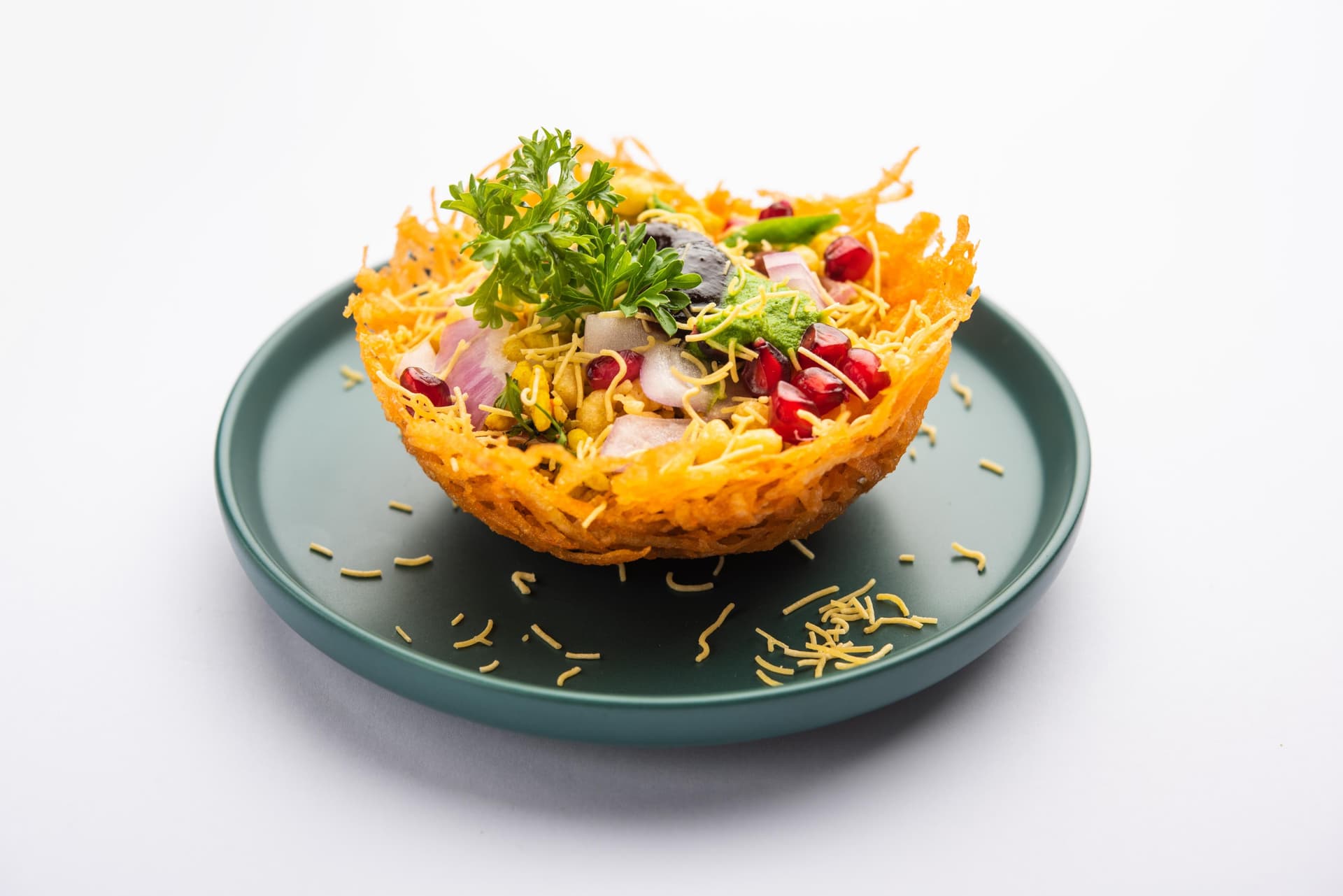
The origin of Lucknow’s chaat is traced back to the time of Shah Jahan, when spicy food was considered beneficial for health. Lucknow’s chaat is one of the most famous street-food traditions of North India. It is not merely a dish, but an expression of the city’s culture, refinement, and taste. Chaat is a combination dish offering a balance of sour, sweet, spicy, and salty flavours. It uses boiled potatoes, tamarind chutney, green chutney, sev, papdi, and spices. More than 10,000 people are employed across over 5,000 units in this industry.
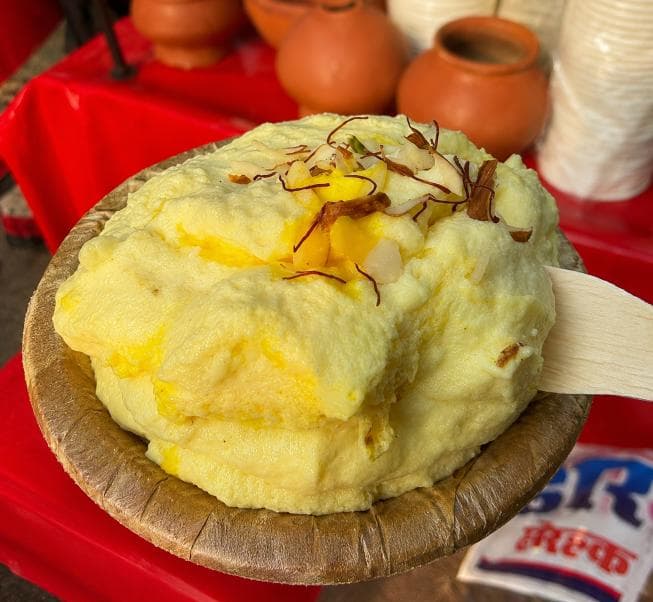
Malai Makhan, primarily available during winter, is extremely light and melts immediately in the mouth. Pure milk is boiled in a large Karahi and kept under the open sky overnight so that it absorbs the winter dew. The following morning, the chilled milk is churned. The thick, light froth formed on the surface is then transferred to a separate container and served with saffron water, cardamom powder, and finely chopped pistachios. More than 100 units are engaged in this industry.
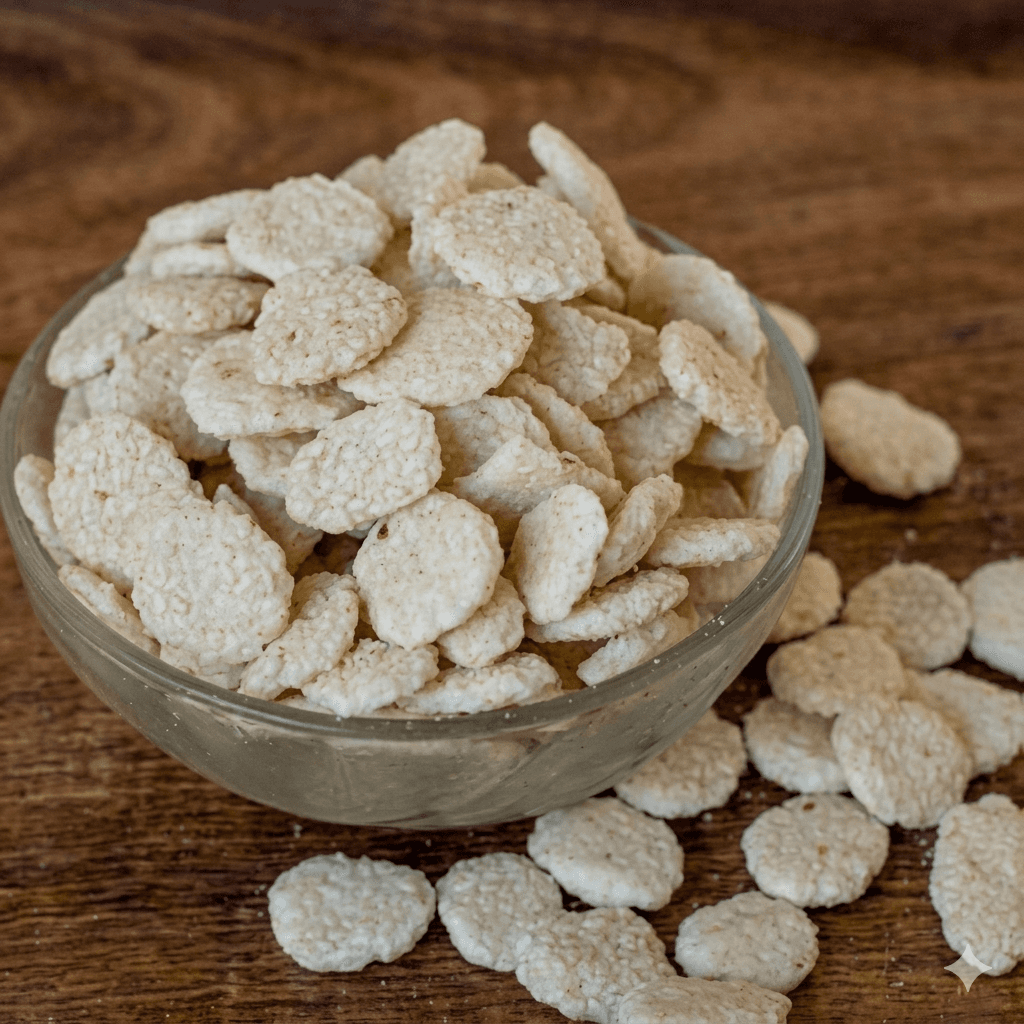
Lucknow’s Rewari, prepared using sesame seeds, sugar, and jaggery, is particularly famous for its traditional taste and crispness. It is specially prepared and consumed during festivals such as Makar Sankranti and Karwa Chauth and represents a fine combination of tradition and taste. More than 1,000 people are employed across over 250 units engaged in this industry.
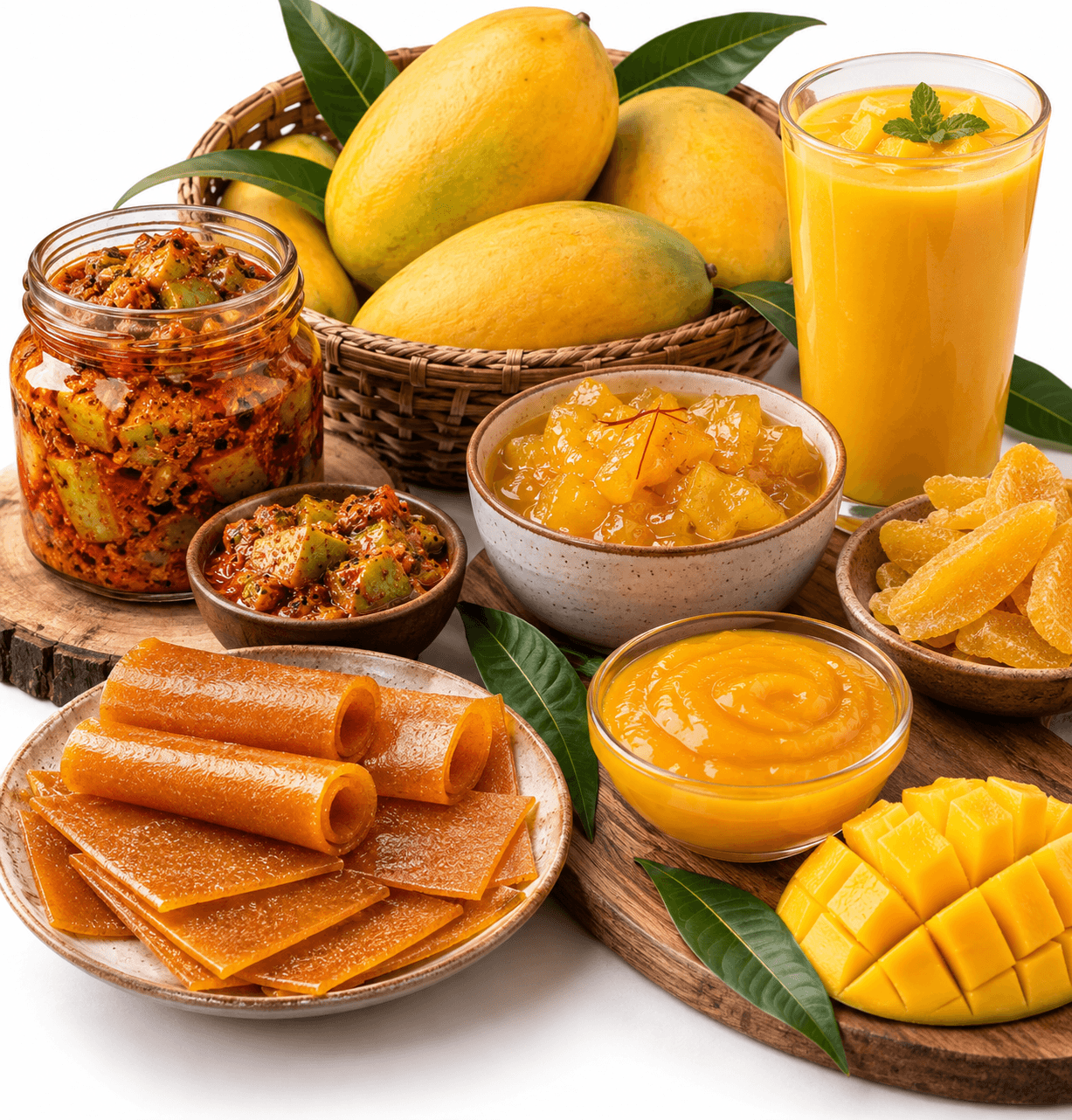
Lucknow’s Mango Products trace their roots to the historic orchards of Malihabad, where the celebrated Dussehri mango flourished under Nawabi patronage during the 18th century. Its sweet, fibreless pulp and distinctive aroma are traditionally transformed into mango pulp, pickles, chutneys, jams, squash, and Aam Panna. This rich legacy of cultivation and food processing has made mango products an important part of Lucknow’s culinary heritage.