Hamirpur is a major district in the Bundelkhand region of Uttar Pradesh, famous for the confluence of the Yamuna and Betwa rivers. It is an important agricultural centre, particularly for the production of oilseeds and pulses. Rich in historical, cultural, and natural heritage, Hamirpur plays an important role in regional development. Under the One District One Cuisine Programme, Dalmade, Dubri Fara, Mahua Barfi, and Sannata have been selected for Hamirpur district.

Madhe ke Aloo is a popular traditional dish from Hamirpur and is an important part of the local Bundeli food culture. Made mainly with boiled potatoes, buttermilk or curd, gram flour, green chillies, ginger, asafoetida, mustard seeds or cumin, and fenugreek seeds, the dish has a distinctive tangy and spicy flavour. In Hamirpur and other parts of Bundelkhand, Madhe ke Aloo are traditionally prepared on special occasions such as weddings, festivals, Govardhan Puja, Annakut, and community feasts. Its simple ingredients and unique taste make it a cherished part of the region’s traditional cuisine.
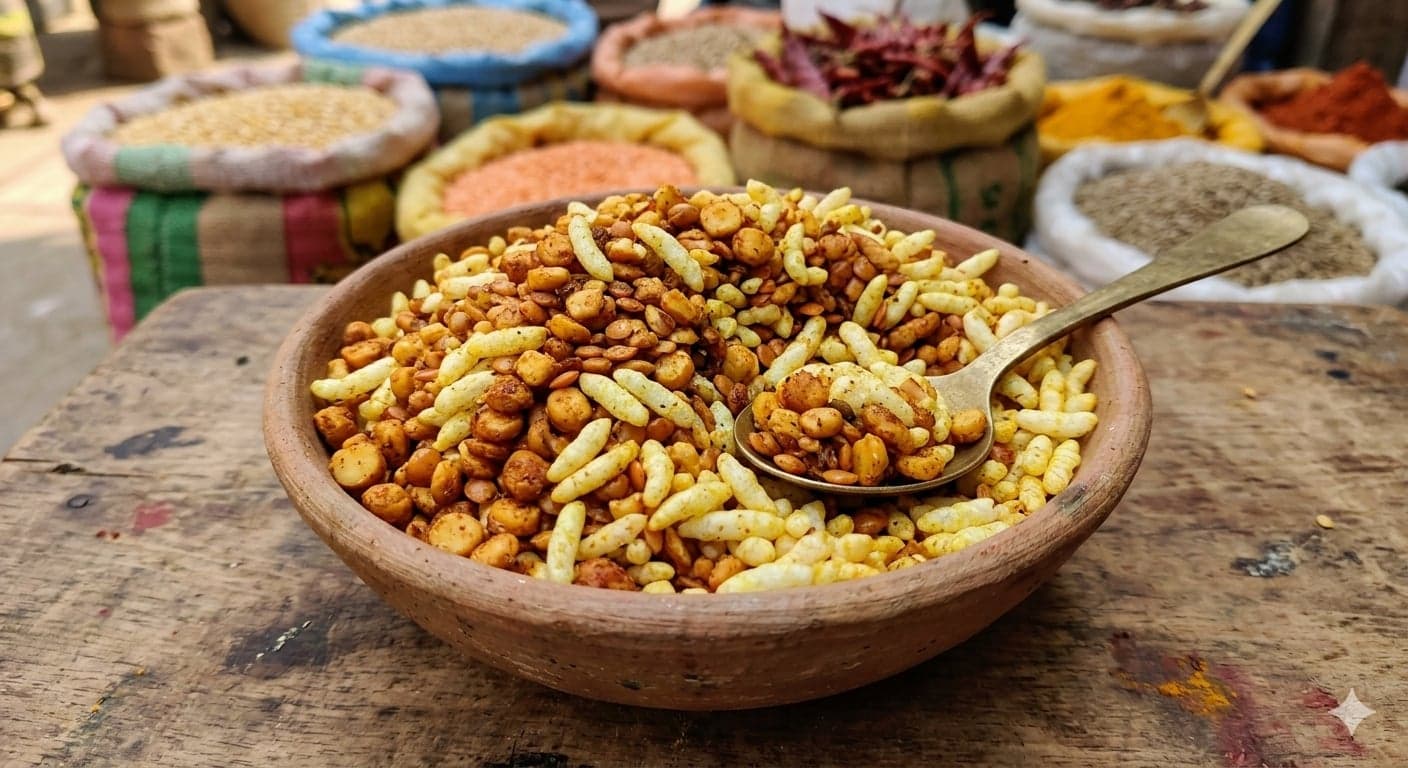
Dal Mure is a light and crunchy traditional snack popular in the Hamirpur region of Uttar Pradesh. It is prepared by combining puffed rice with roasted or lightly fried chana dal. A blend of local dry spices and salt is added to give it a savoury and tangy flavour. The light texture of puffed rice combined with the crunch of dal makes Dal Mure a flavourful and popular street food snack.
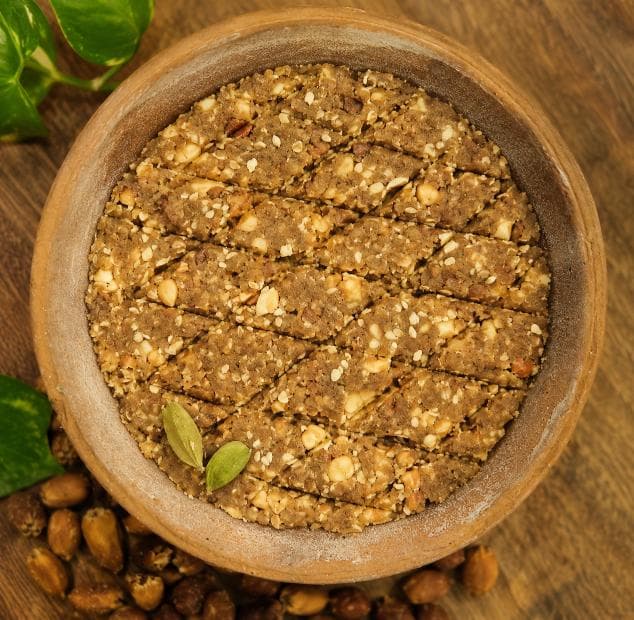
Mahua Barfi represents Bundelkhand’s centuries-old traditional and nutritious culinary identity. It is known for its distinctive aroma, natural sweetness, and local flavour. The original document describes its consumption as beneficial in cases of anaemia, blood-pressure-related conditions, and fatigue. It is prepared on a large scale in Rath, Sarila, and Maudaha.
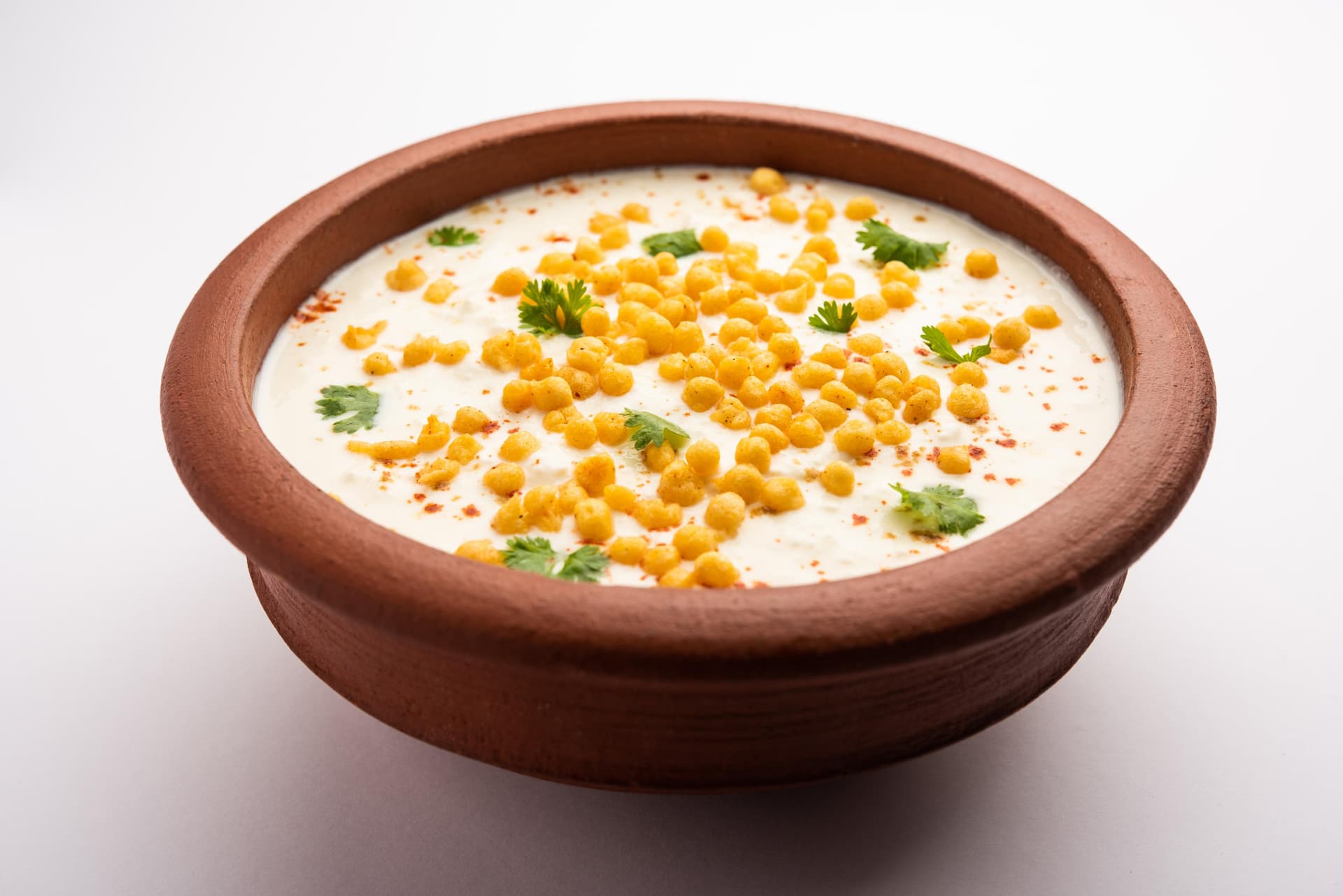
Prepared using curd and spices, Sannata is an extremely popular form of buttermilk in Hamirpur. It is said that its spiciness leaves the person consuming it speechless or completely silent for a few moments. It is therefore known as Sannata, meaning “silence.” It is traditionally regarded as beneficial for digestive problems, including indigestion. It is prepared on a large scale in Rath, Sarila, and Maudaha.
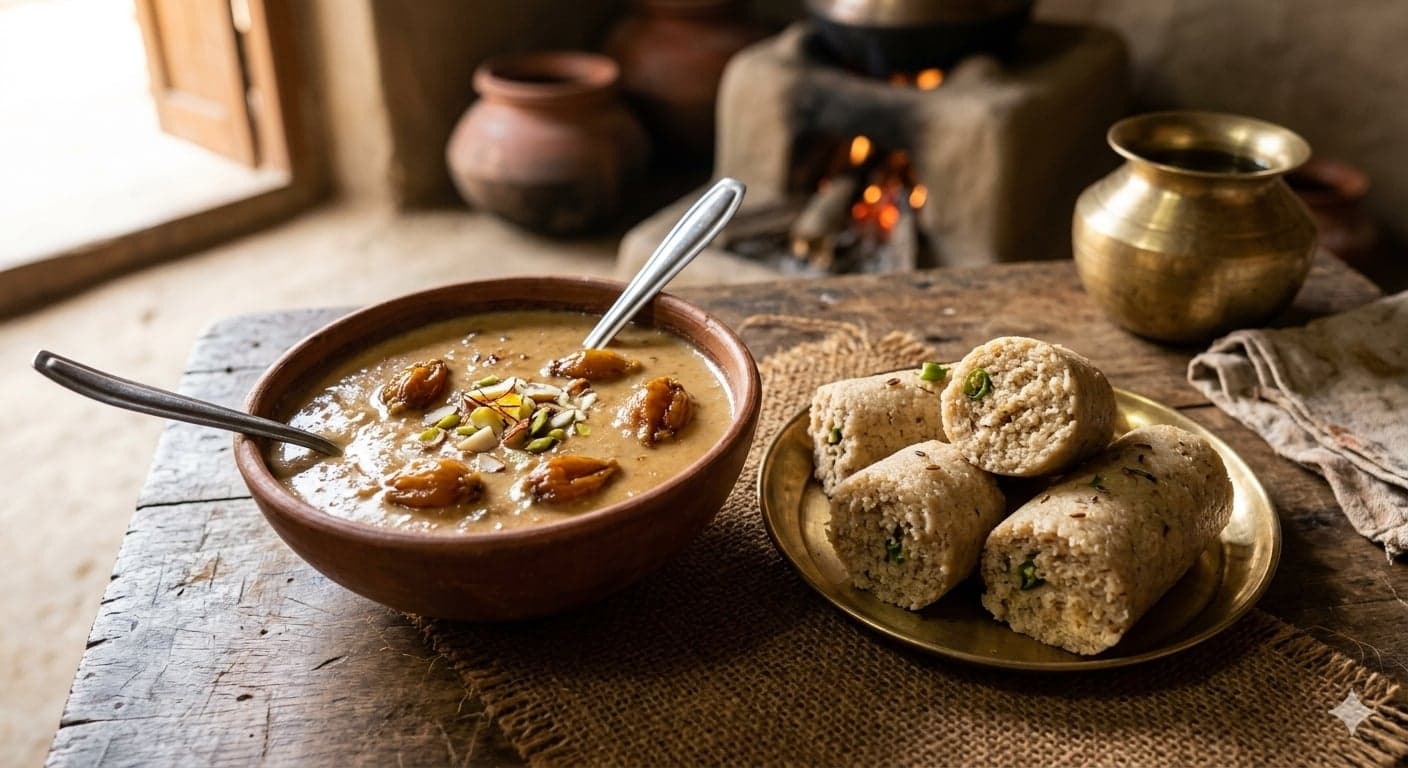
This preparation of dried Mahua fruits cooked as Kheer has been associated with Hamirpur since ancient times, including the period of the Maurya and Shunga dynasties. Dubri, or Mahua Kheer, is rich in calcium, iron, and vitamins and is traditionally considered beneficial for health. It is eaten with Fara prepared from wheat flour.