Budaun is known for its historical significance, cultural heritage, and traditional artisan-based industries that continue to thrive through generations of skilled craftsmanship. The district reflects a strong legacy of handwork and textile artistry, where traditional crafts remain closely linked to local livelihoods and cultural identity. Under the One District One Cuisine Programme, Badaun ke Pede, Lauj, and Khoya ka Peda have been selected for Budaun district.
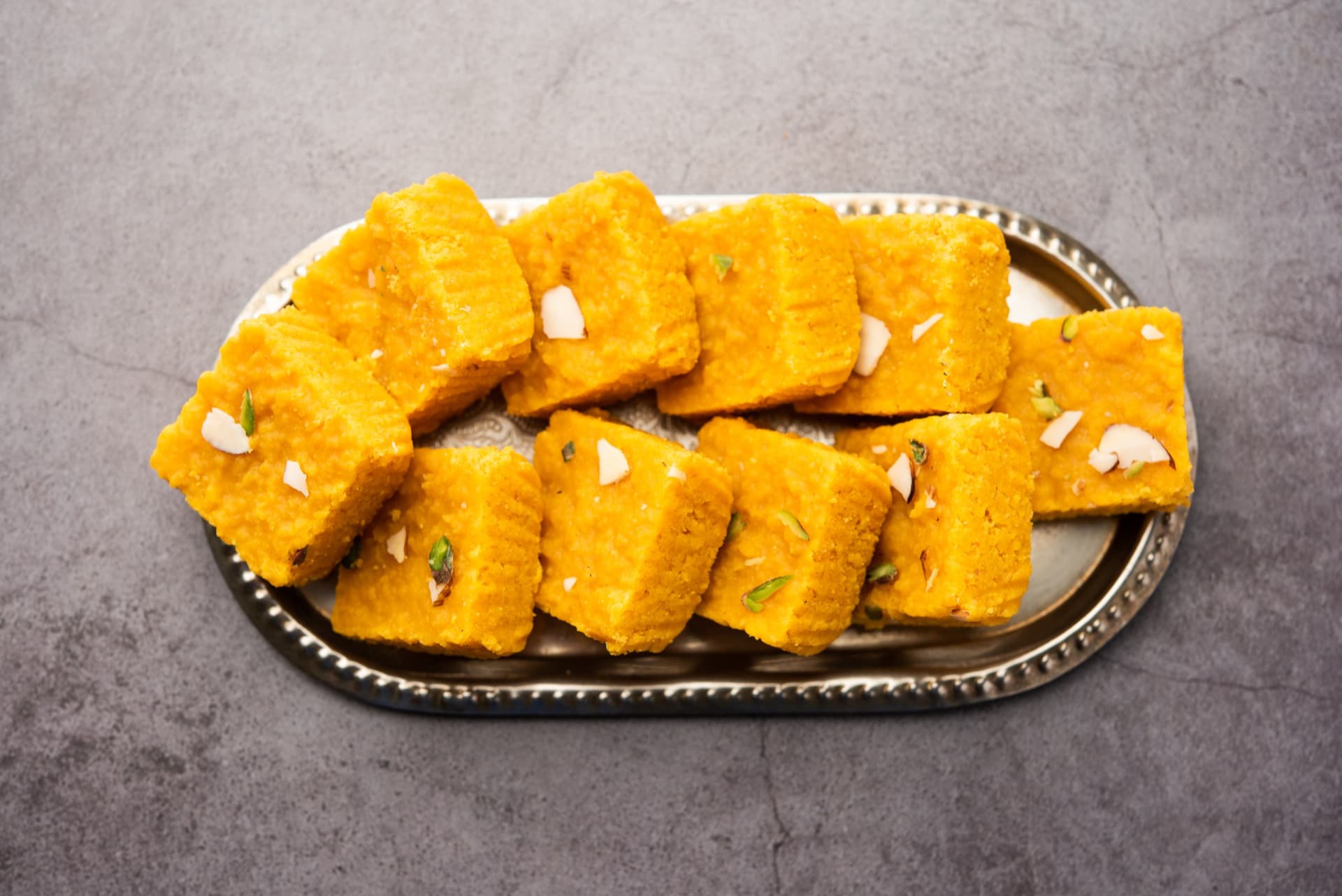
Budaun’s Lauj is a traditional sweet from Uttar Pradesh, deeply associated with the culinary traditions of Budaun. It is primarily made from bottle gourd, reduced milk in the form of khoya or rabri, pure desi ghee, and sugar. Prepared slowly over low heat, this sweet has a dense, smooth, and melt-in-the-mouth texture. This traditional method of transforming simple bottle gourd into a rich and flavourful sweet makes Lauj a popular delicacy in Budaun, especially during weddings, festivals, and special occasions.
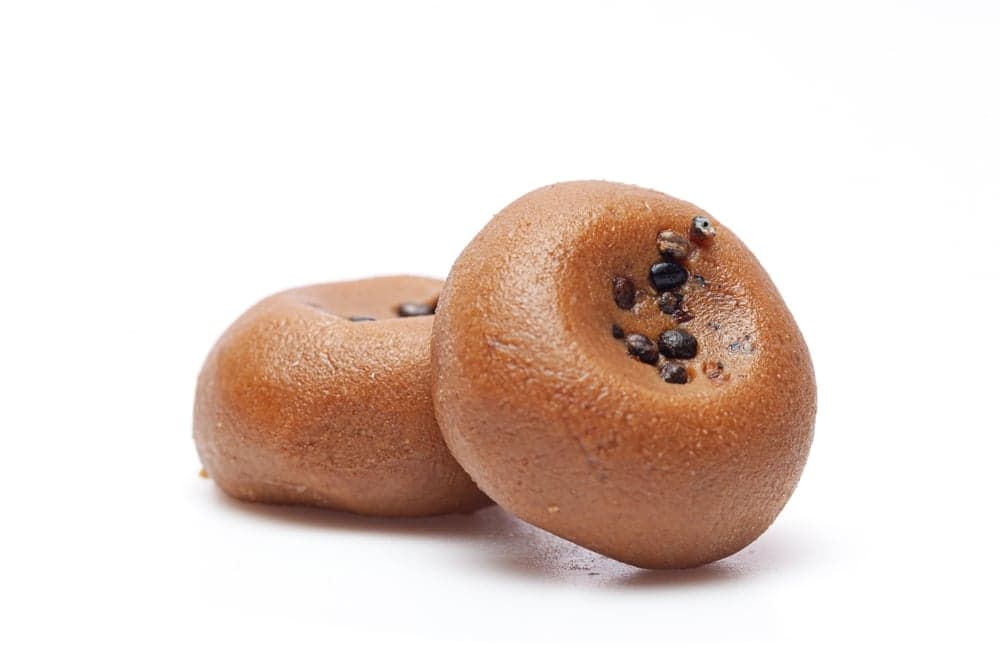
Budaun district is known for milk production and the preparation of traditional sweets. Its khoa-based sweets have a distinct local identity because of their pure taste, traditional preparation methods, and soft texture. These sweets are highly popular and remain in strong demand in local markets. They are consumed throughout the year and are particularly used during festivals and wedding celebrations. The principal ingredients used in their preparation include pure khoa, sugar, Desi Ghee, cardamom, cashews, almonds, pistachios, and locally sourced milk, which give these sweets their distinctive flavour. More than 7,500 people are employed across over 3,000 units in Budaun, Dataganj, Ujhani, Alapur, Sakhanu, Sahaswan, Bisauli, Bilsi, and other areas of the district.