Bijnor is a historically and culturally rich district situated in the Moradabad Division of Uttar Pradesh. It lies within the National Capital Region, approximately 150 kilometres from Delhi. Situated on the banks of the Ganga River, the district is regarded as the land associated with Mahatma Vidur, Rishi Kanva, and Emperor Bharat. Its major tourist attractions include Najib-ud-Daula Fort, Ganj Fort, Mandawar Palace, and Barahma Devi Temple. Bijnor is also known for agriculture, sugar mills, and handicrafts. Under the One District One Cuisine Programme, Gajak, Singhara Kachori, Son Papdi, and Bateesa have been selected for Bijnor district.
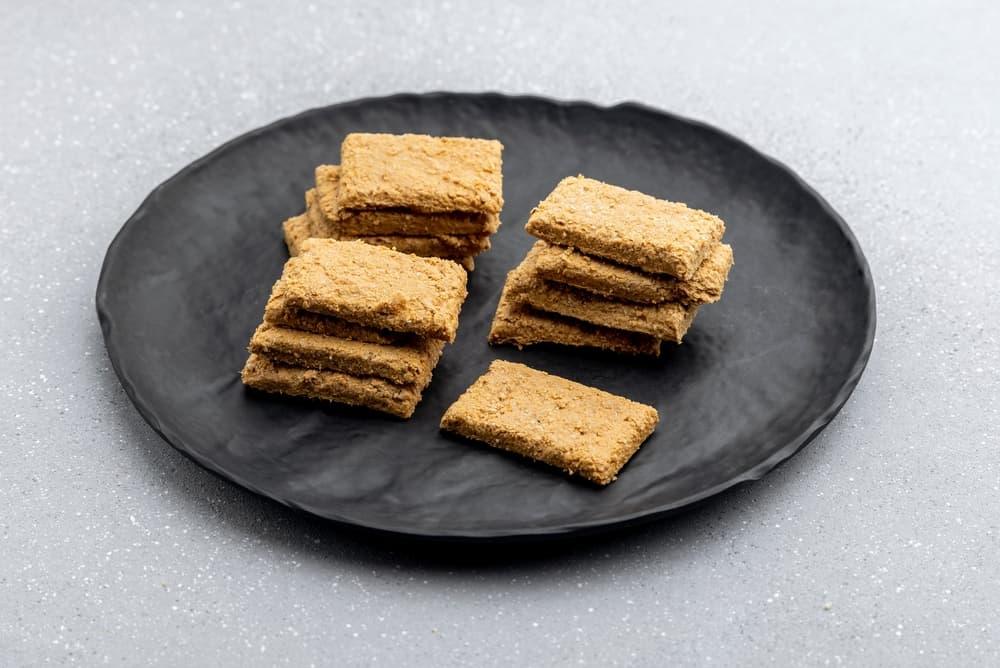
Bijnor’s Gajak is known for its excellent quality, distinctive taste, and traditional craftsmanship. High-quality jaggery and sesame seeds are produced in Bijnor, which directly contribute to the exceptional sweetness and crispness of its Gajak. During winter, Gajak provides warmth and energy to the body. The original document also describes it as trans-fat-free and beneficial for digestion.
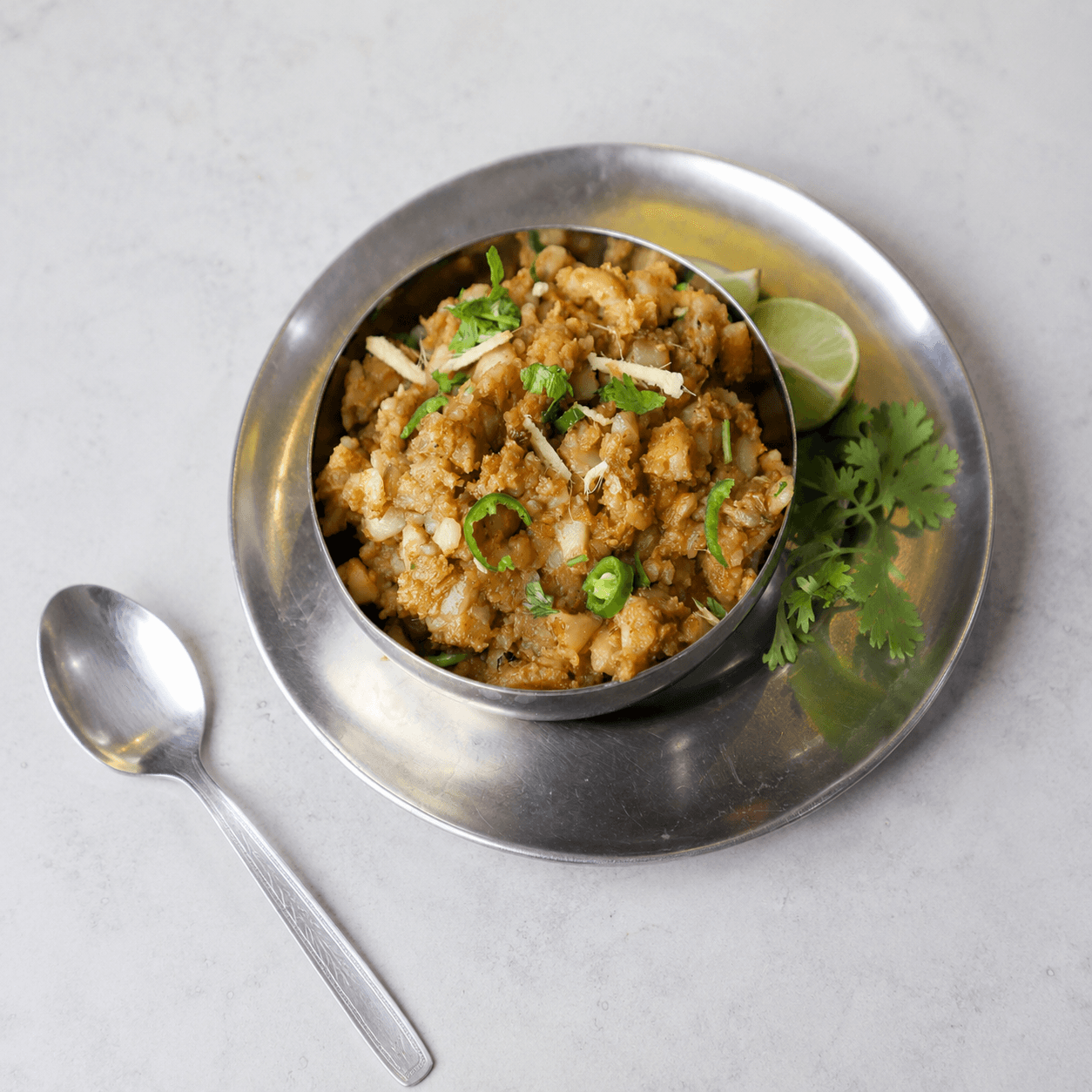
Singhara Kachori is prepared during winter using fresh, raw water chestnuts. The water chestnuts are boiled, peeled, and coarsely ground or mashed. The resulting paste is slow roasted with a generous quantity of Desi Ghee or butter, cumin seeds, asafoetida, julienned ginger, and green chillies.
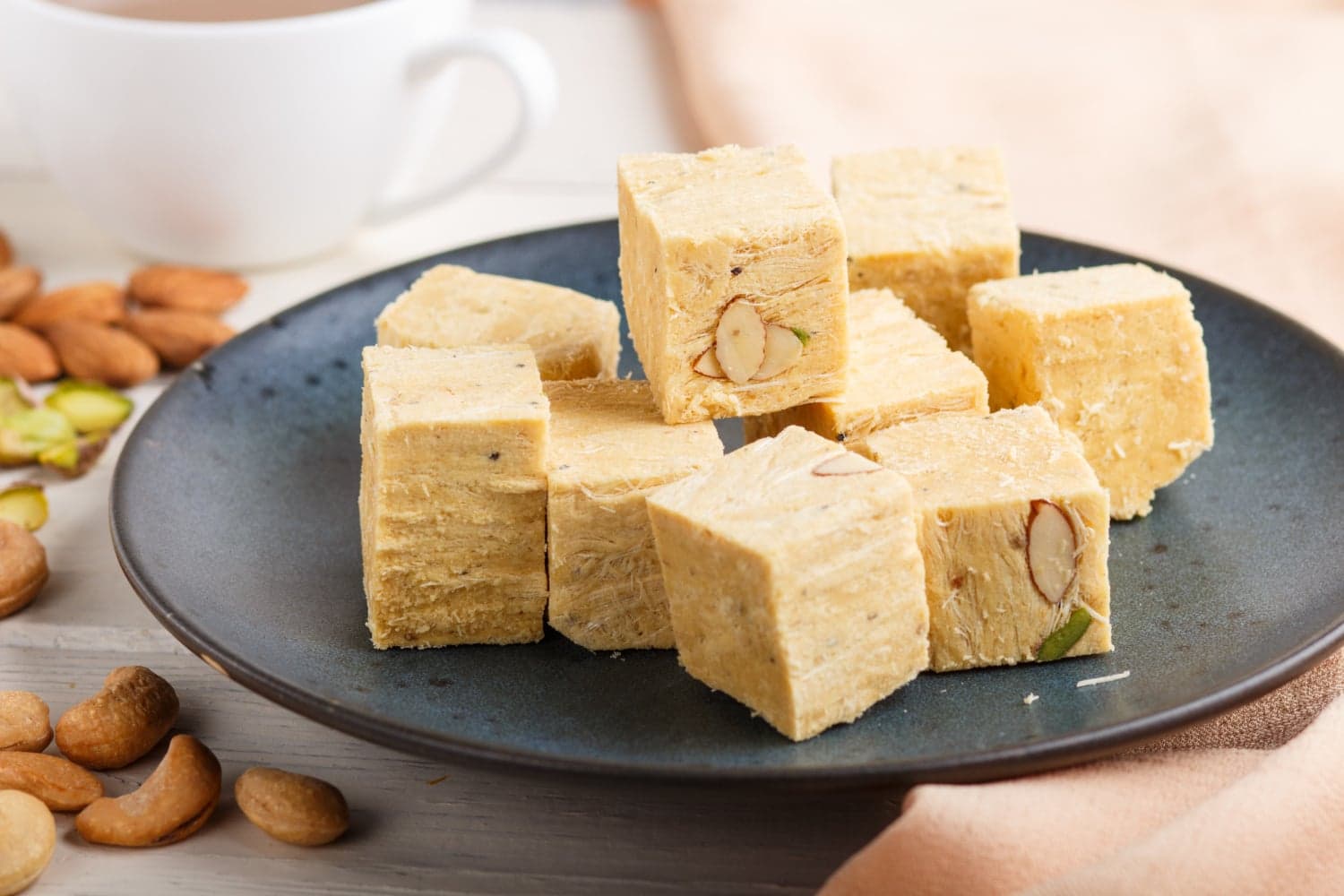
Soan Papdi is a highly popular, layered, and crispy Indian sweet. It is mainly prepared using gram flour, refined flour, sugar syrup, ghee, and milk. It is readily available at shops in Bijnor’s local markets.
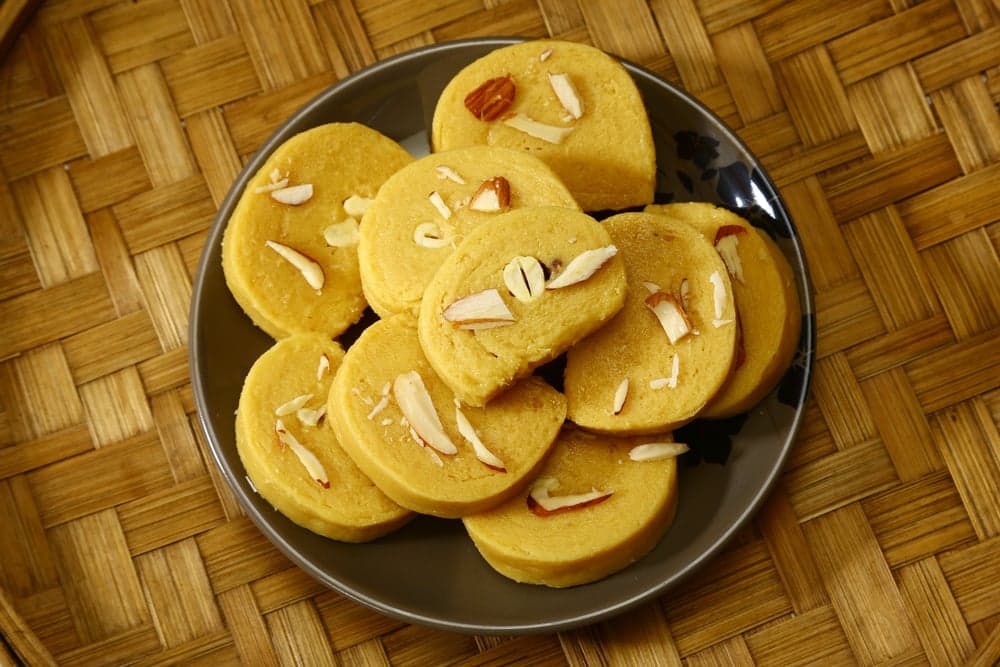
Bateesa is a famous and traditional sweet of Bijnor and the surrounding areas of western Uttar Pradesh. It is mainly prepared using jaggery, Desi Ghee, and dry fruits and is traditionally considered particularly beneficial during winter. Approximately 400–600 units associated with this industry operate in Najibabad, Sadar, Nagina, Dhampur, and Kiratpur areas of Bijnor district.