Basti was part of the ancient Kosala Kingdom and is regarded as the gateway to eastern Uttar Pradesh. It is an agriculture-based district, where sugarcane cultivation and sugar mills form the mainstay of the economy. Chanda Tal and the district’s natural bamboo forests are notable attractions. The district also has a distinct identity for its Zari-Zardozi work and Sewaiyan. Under the One District One Cuisine Programme, Thekua, Puri-Sabzi, Sirka, and Gur have been selected for Basti district.
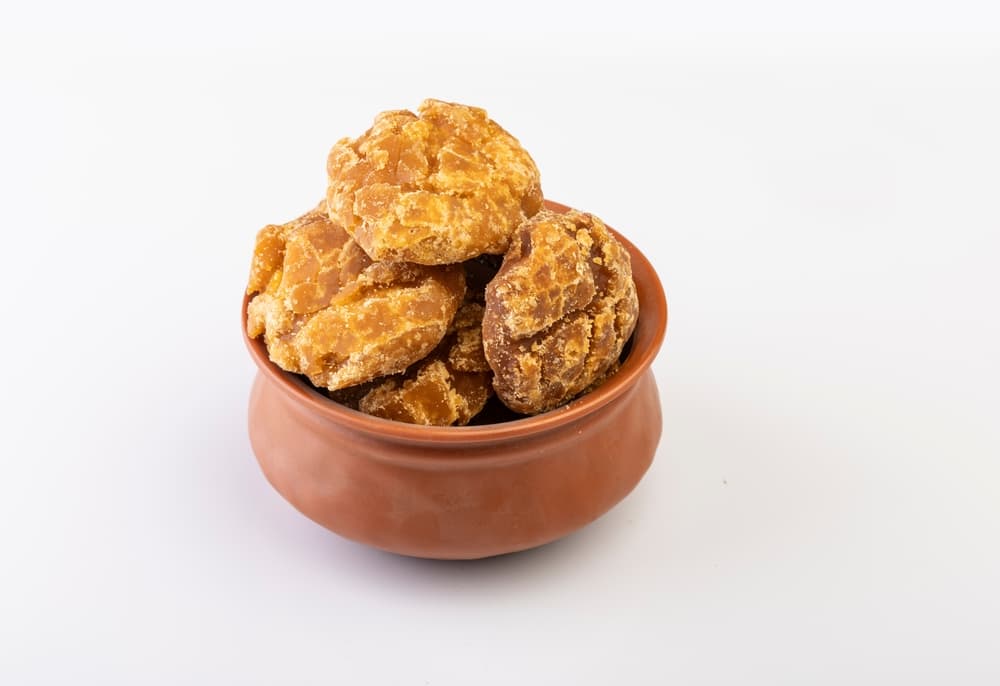
Basti’s tradition of jaggery-making is deeply connected to the district’s long history of sugarcane cultivation. Prepared by slowly boiling fresh sugarcane juice in large iron pans, it retains its natural sweetness, rich aroma, and characteristic golden-brown colour. Made through generations-old rural techniques, Basti’s jaggery represents the district’s agricultural heritage and traditional craftsmanship.
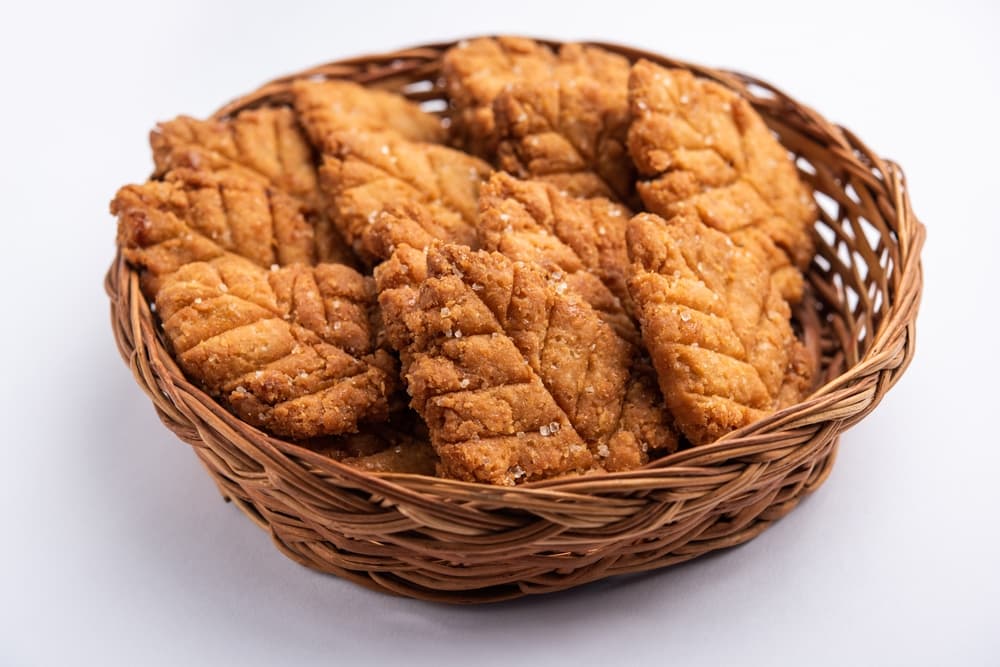
Basti’s Thekua is a crisp, golden delicacy traditionally prepared with wheat flour, jaggery, and Ghee. Hand-shaped and fried, it holds special significance during Chhath puja and other religious occasions. Its distinctive texture and naturally long shelf life make it both a cherished festive offering and an enduring part of Basti’s culinary tradition.
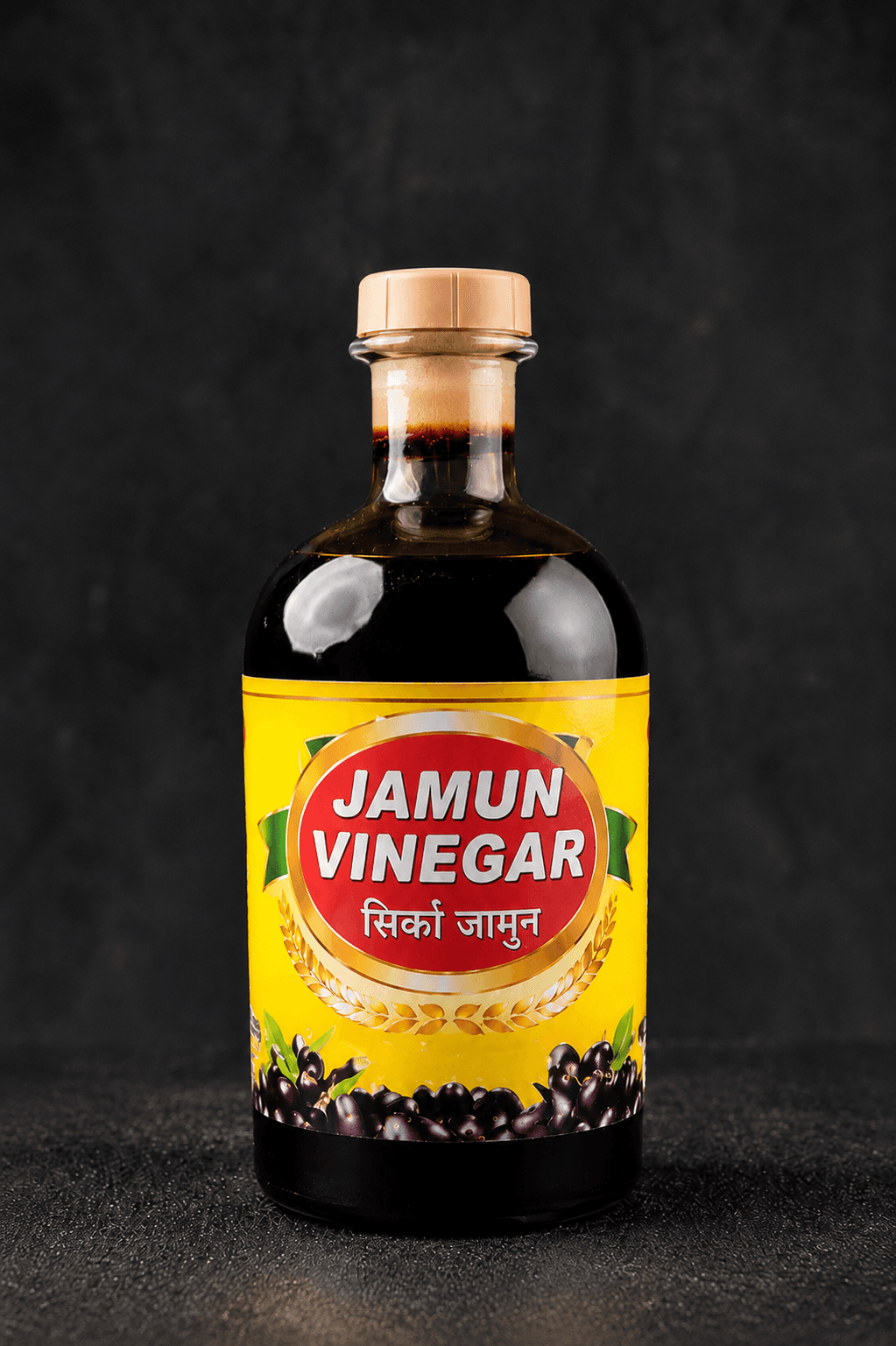
Vinegar production in Basti is primarily undertaken in Harraiya, Vikramjot, Kaptanganj, and Basti Sadar. Prepared through the natural fermentation of sugarcane juice, jaggery, or fruits, this product enhances the taste of food and is also considered useful for preservation.
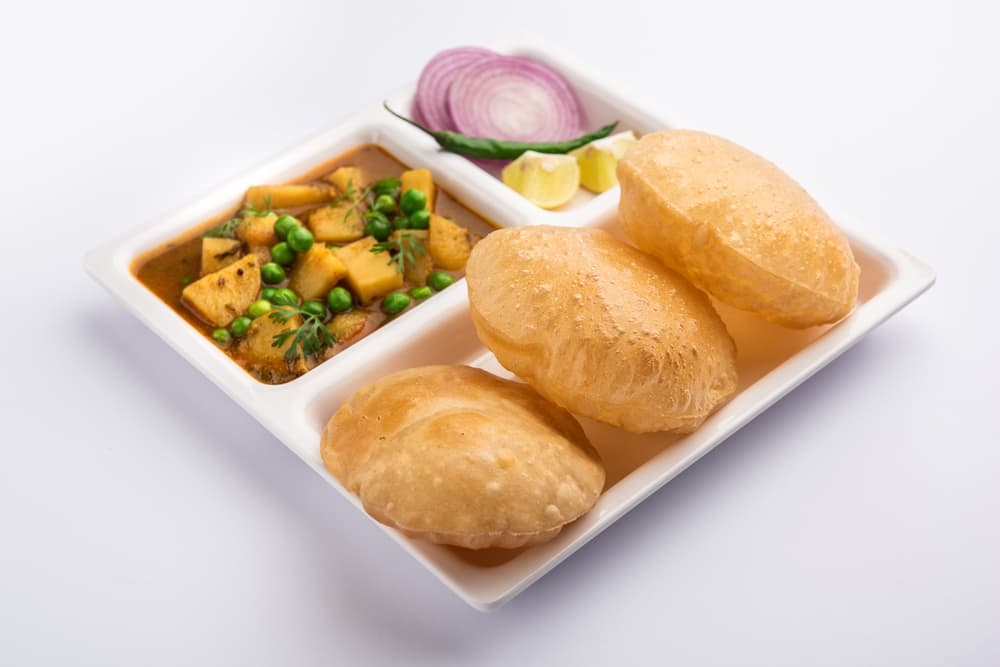
Puri served with spicy potato curry is an important part of Basti’s local breakfast culture and social functions. It is extremely popular in Basti city, Harraiya, Bhanpur, and Kaptanganj.