Bareilly is a major city in the Rohilkhand region of Uttar Pradesh. Situated on the banks of the Ramganga River, it lies approximately 252 kilometres north of Lucknow and 250 kilometres east of Delhi. It is also known as Zari Nagar, Nath Nagari, and Baans Bareilly. Bareilly is famous for wooden furniture, Zari-Zardozi work, perfume, and sugar-processing industries. The district is home to religious sites such as Ala Hazrat Dargah—Bareilly Sharif—and Dhopeshwar Nath Temple. It was also an important centre of the Revolt of 1857. Under the One District One Cuisine Programme, Sewaiyan, Barfi, Chole-Bhature, and Chaat have been selected for Bareilly district.
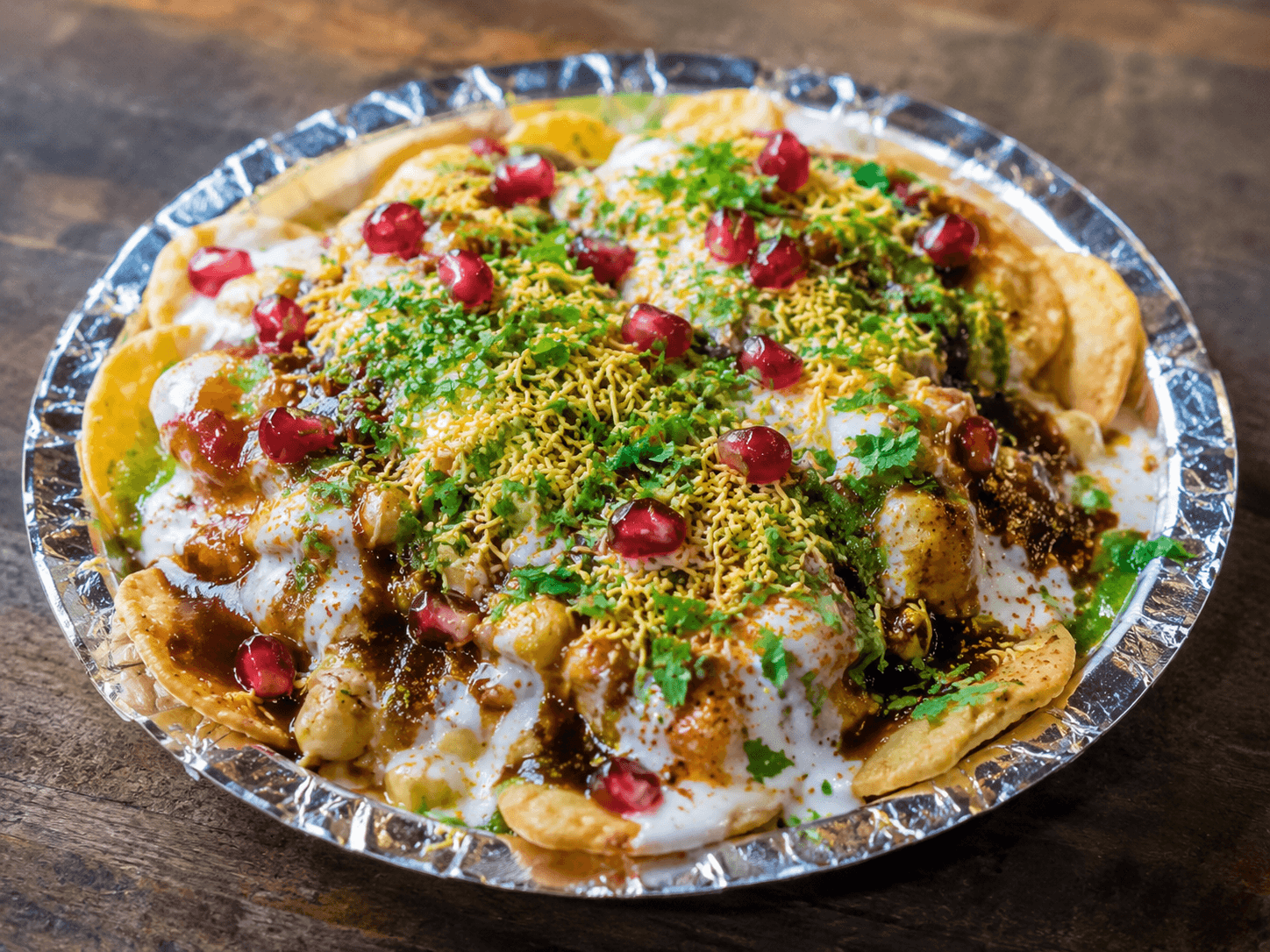
Bareilly’s Chaat is a local form of northern India’s spicy, tangy, and sweet street-food tradition. Freshly prepared varieties include Golgappa, Aloo Tikki, Papdi, Dahi Chaat, and Raj Kachori. Chaat is considered an important part of the city’s evening-snack and street-food culture. More than 1,500 people are employed across over 350 units engaged in this industry.
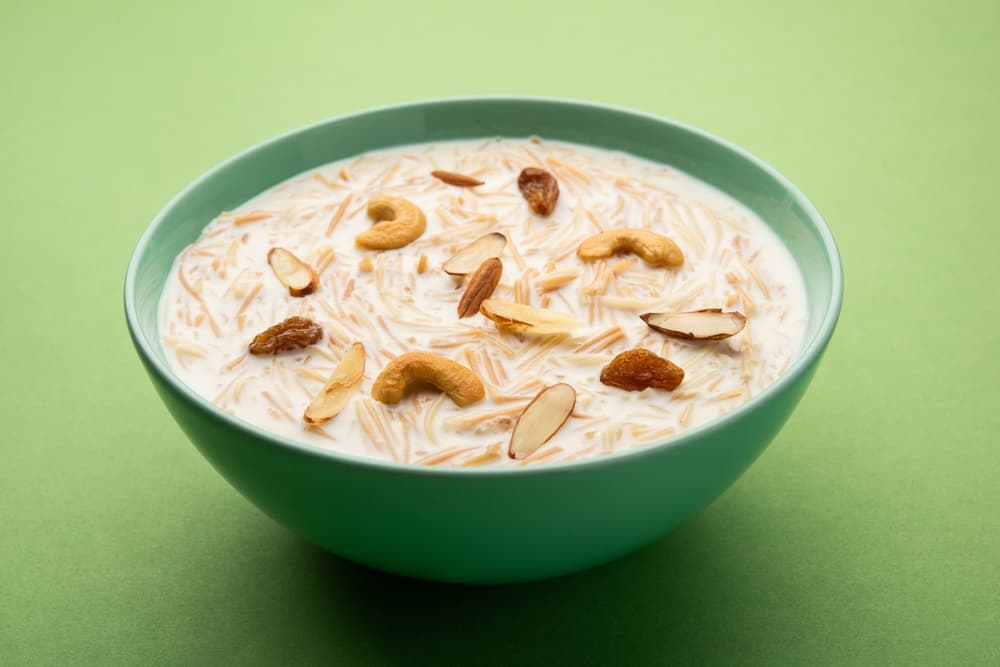
Bareilly’s Sewaiyan are extremely popular for their distinctive texture and excellent taste. They are specially prepared during Eid and other auspicious occasions. Sewaiyan may be cooked as a sweet milk-based Kheer or prepared as a dry sweet dish with sugar and dry fruits.
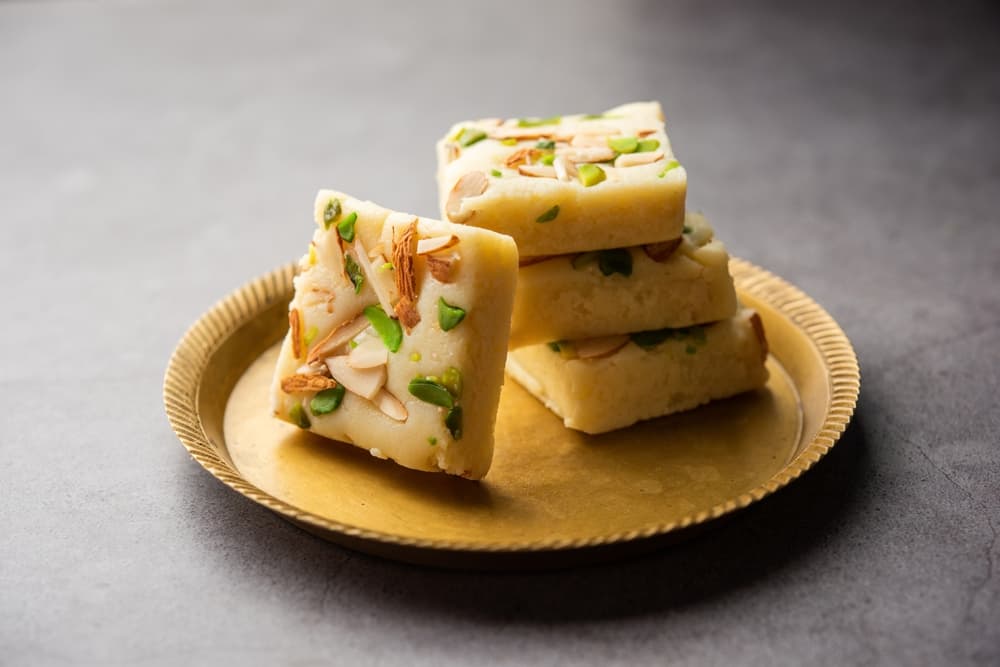
Bareilly’s famous Barfi carries the taste of tradition and sweetness in every bite. Prepared with pure khoya using time-honoured methods, this celebrated sweet reflects the district’s rich culinary artistry and cultural heritage. Its exceptional quality, distinctive flavour, and soft, melt-in-the-mouth texture have made it an enduring symbol of Bareilly’s traditional sweet-making legacy.
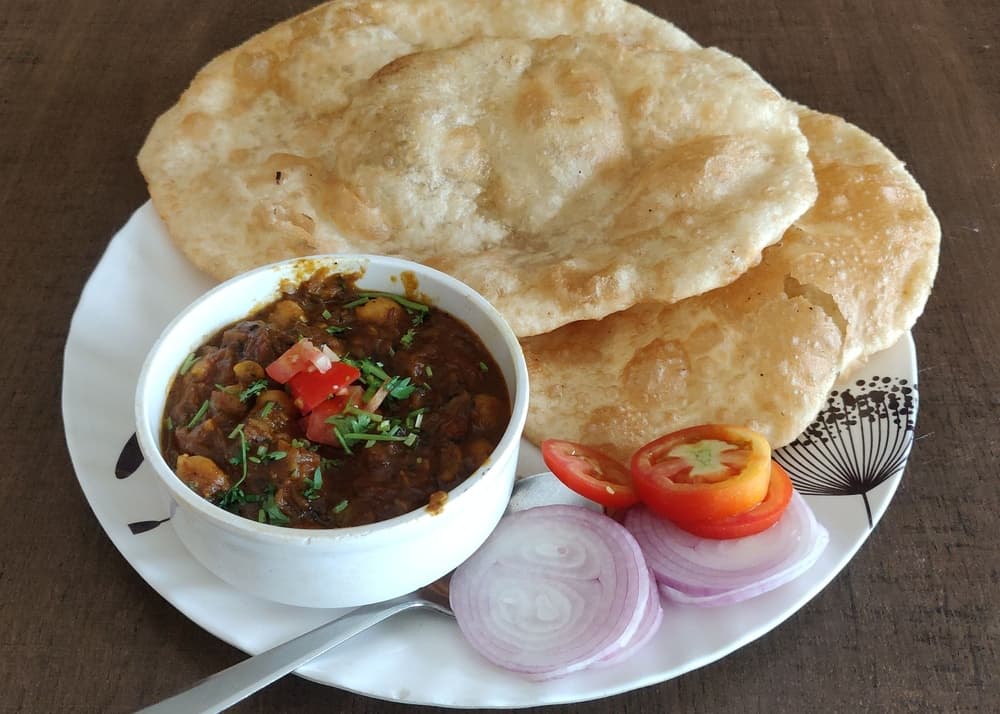
Bareilly’s Chole-Bhature is a popular traditional North Indian dish with a distinctive local style and flavour. Spicy chickpeas, or Chole, are served with soft and fluffy Bhature—deep-fried bread prepared from refined flour—and eaten with pickles, onions, and chutney. The dish is highly popular in Bareilly’s markets, Dhabas, and small restaurants and is widely consumed from breakfast through lunchtime. More than 2,500 people are employed across over 700 units engaged in this industry.