Agra district, home to three UNESCO World Heritage Sites—the Taj Mahal, Agra Fort, and Fatehpur Sikri—is renowned worldwide not only for its grandeur and architecture but also for its rich culinary heritage, which has attracted people for centuries. Under the One District One Cuisine Programme, Petha, Dalmoth, Gajak, and Paratha have been selected for Agra district.
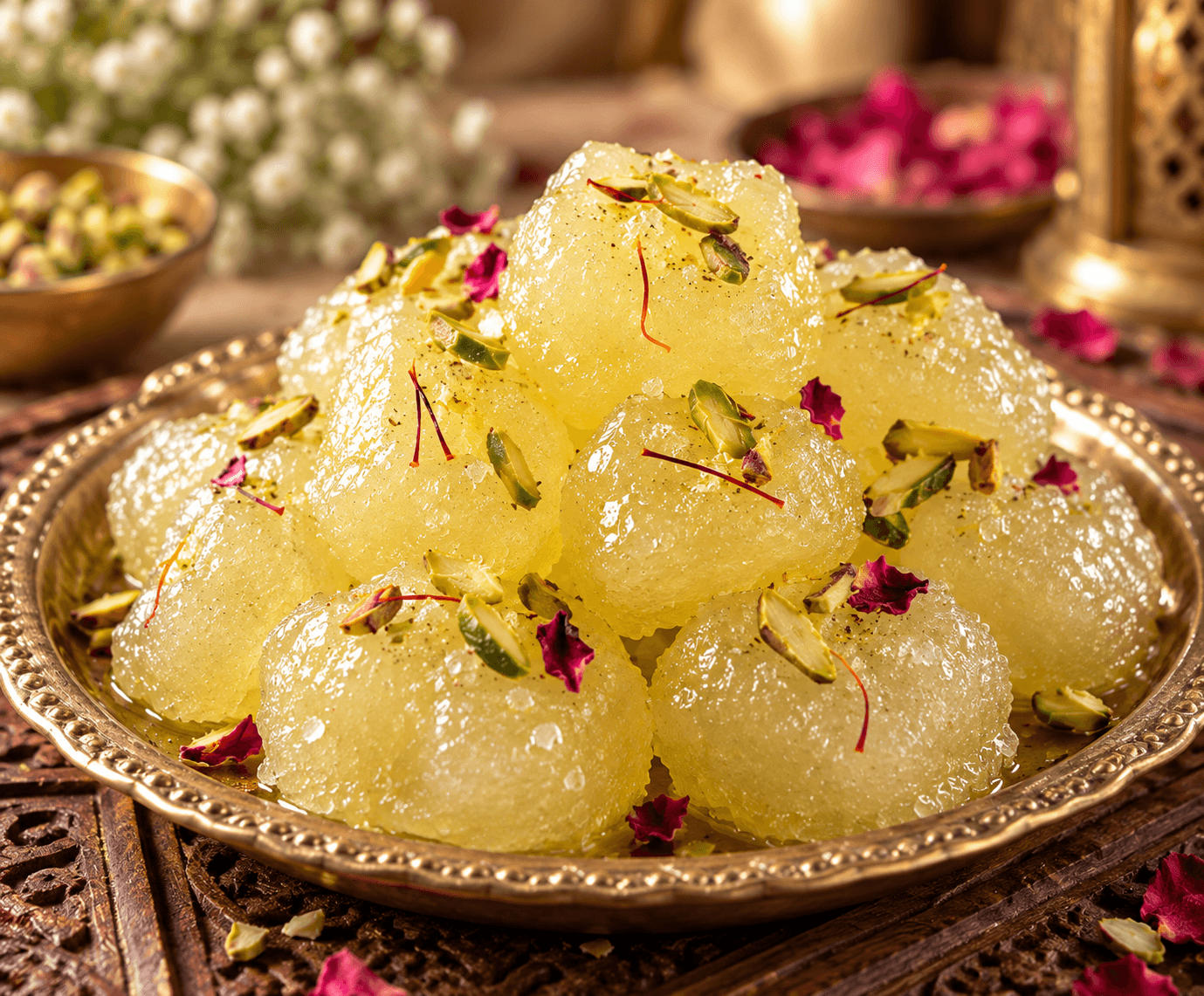
Popular tradition associates the origin of Agra Petha with the Mughal era, when this translucent sweet is believed to have been prepared in the royal kitchens during the construction of the Taj Mahal. Made by gently cooking ash gourd in sugar syrup, Petha is admired for its soft texture, delicate sweetness, and crystal-like appearance. Over the centuries, it has become an enduring symbol of Agra’s culinary identity.
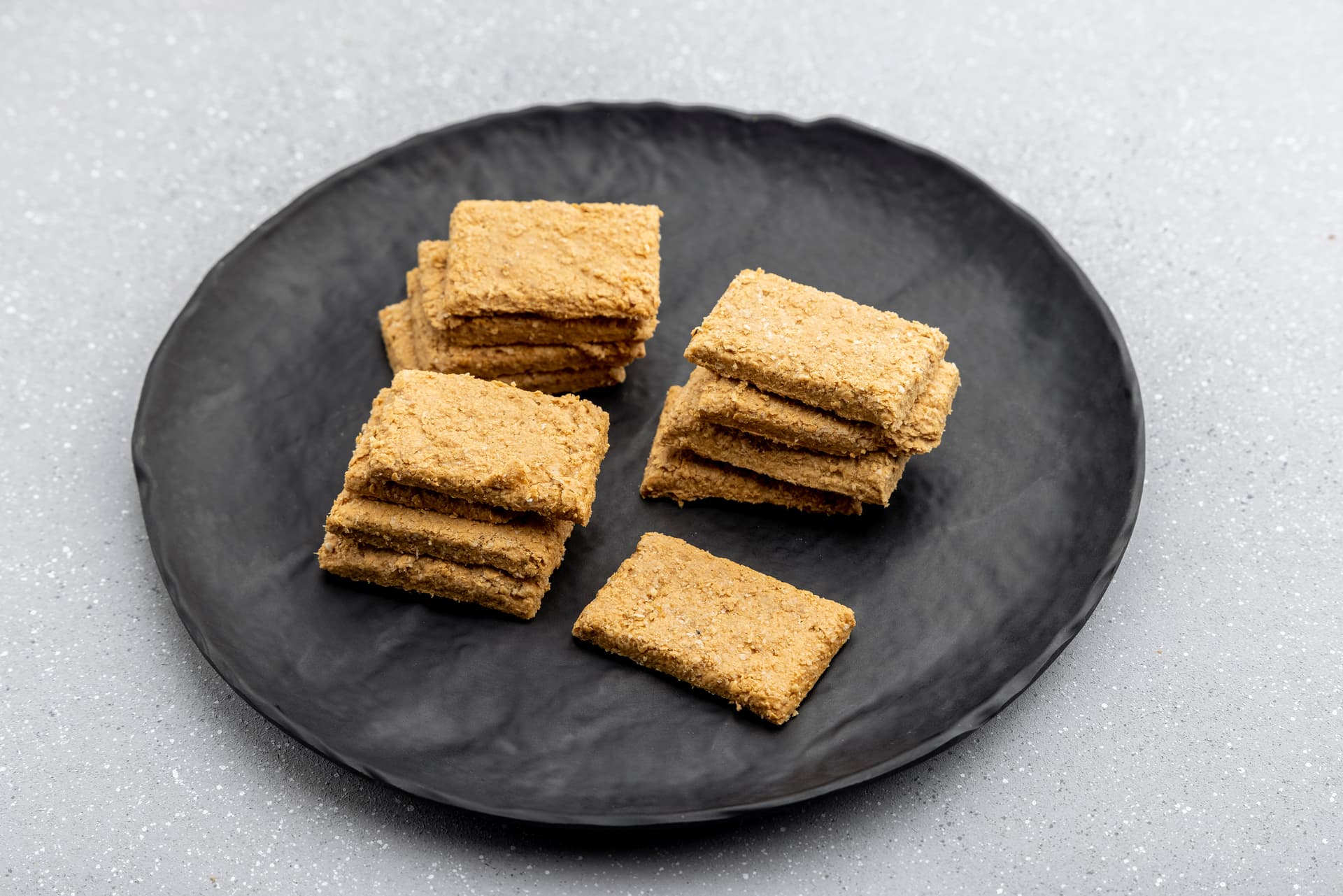
Agra’s Gajak is a traditional sweet and winter delicacy prepared using sesame seeds, jaggery, and sugar. It is equally popular among local residents and tourists because of its crunchy taste, aroma, nutritional value, and long shelf life.
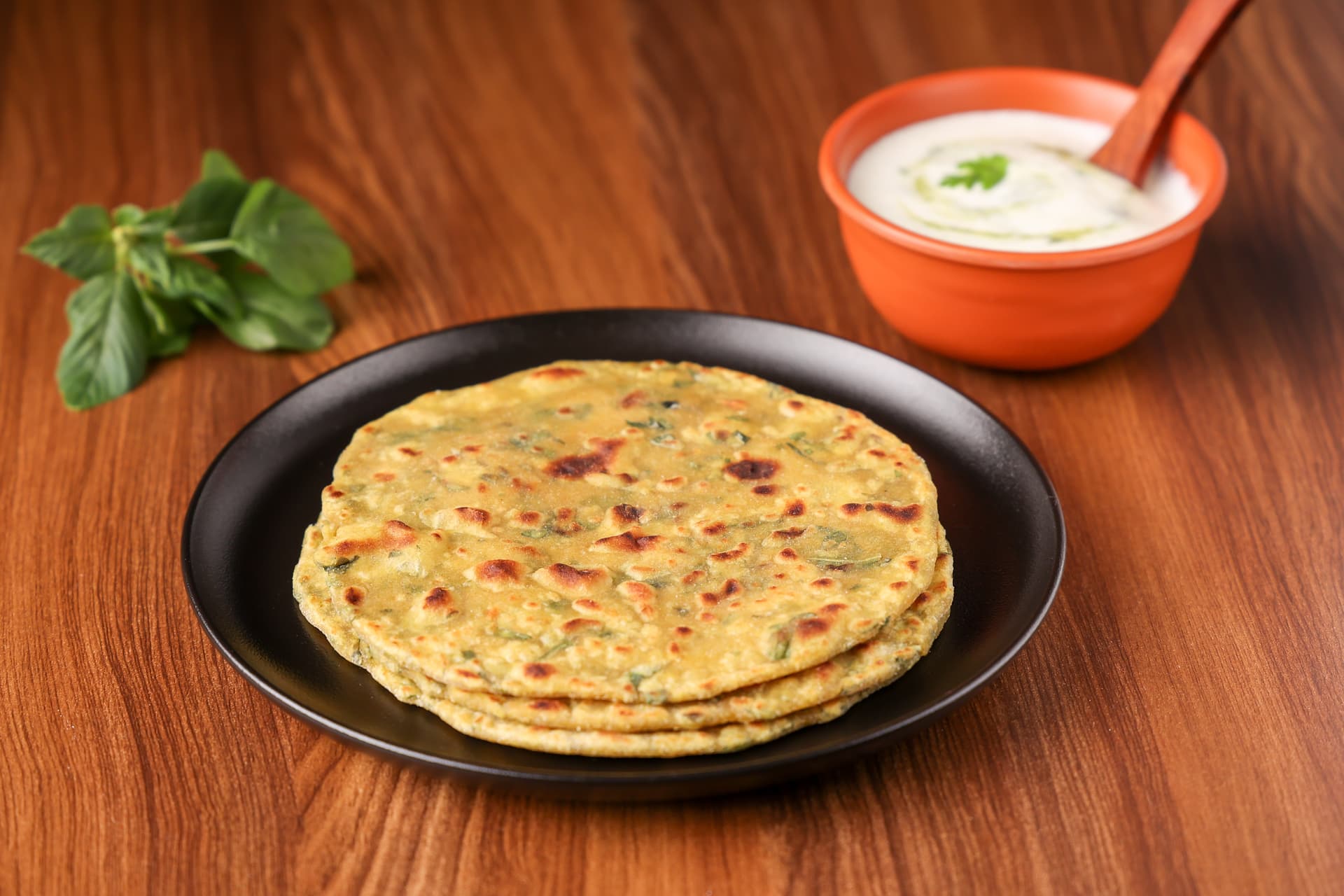
Agra’s Parathas are prepared with fillings such as potatoes, paneer, lentils, cauliflower, chillies, and spices. They are highly popular because of their taste, crispness, and aroma. These Parathas are an important part of Agra’s local street-food and dhaba culture and are widely served at hotels and food outlets, attracting both local residents and tourists.
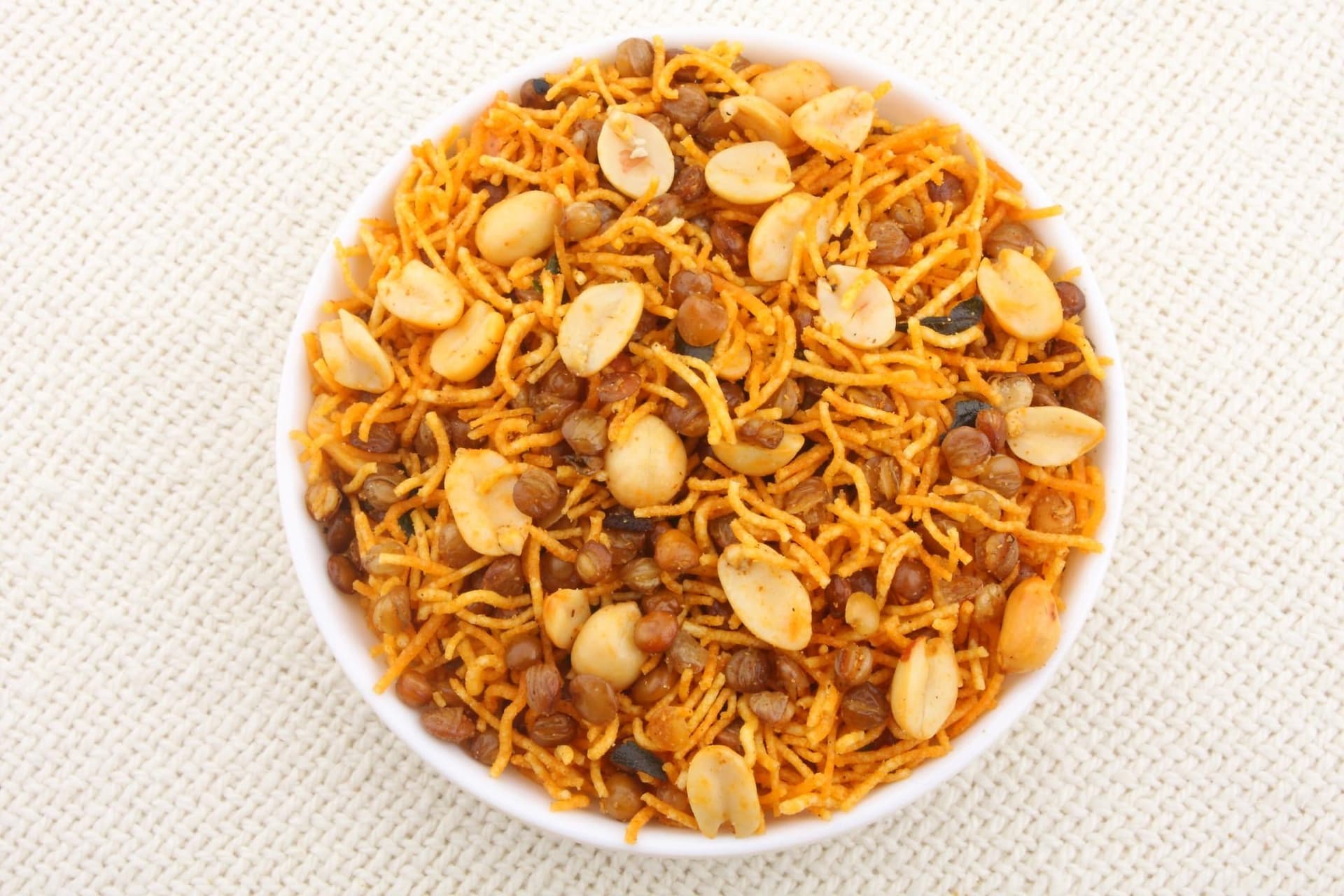
Agra’s Dalmoth emerged from the city’s long-standing tradition of preparing flavourful savoury snacks. A robust mixture of fried lentils, nuts, spices, and crunchy strands, it is celebrated for its bold, spicy flavour and satisfying crispness. Its distinctive taste and remarkable shelf life have made Dalmoth a popular culinary speciality of Agra.